

By Lee Yi Ning Megan (27A01B)
This article is part of a series of revisions to Raffles Press’ Please Mind the Platform Gap, intended to refresh dated information while retaining the core structure. For our previous feature on H2 Geography, please click here.
All information provided here is accurate as of the time of writing.
This article does not necessarily reflect the views of RI’s academic management and should not be used as a substitute for formal academic counselling.
Mention Geography, and chances are that someone will make a joke about rocks.
To be fair, H2 Geography does involve rocks. However, the subject stretches far beyond physical landscapes. From transnational corporations and global production networks to climate change and urban liveability, the subject is ultimately concerned with understanding the processes shaping the world around us and how people respond to them.
For those considering the subject, here is what you can expect over the next two years.
What exactly will you learn?
The H2 Geography syllabus is divided into four clusters:
- Development, Economy and Environment
- Tropical Environments
- Sustainable Future and Climate Change
- Fieldwork
Broadly speaking, the first and third clusters lean towards Human Geography, while Tropical Environments as a topic makes up the bulk of Physical Geography.
In Year 5, students cover Clusters 1 and 2. Human Geography begins with questions surrounding sustainable development and resource management, as well as the global economy. You will explore a range of issues, such as how resources are managed sustainably, why development varies across places, and how different actors shape economic activity.

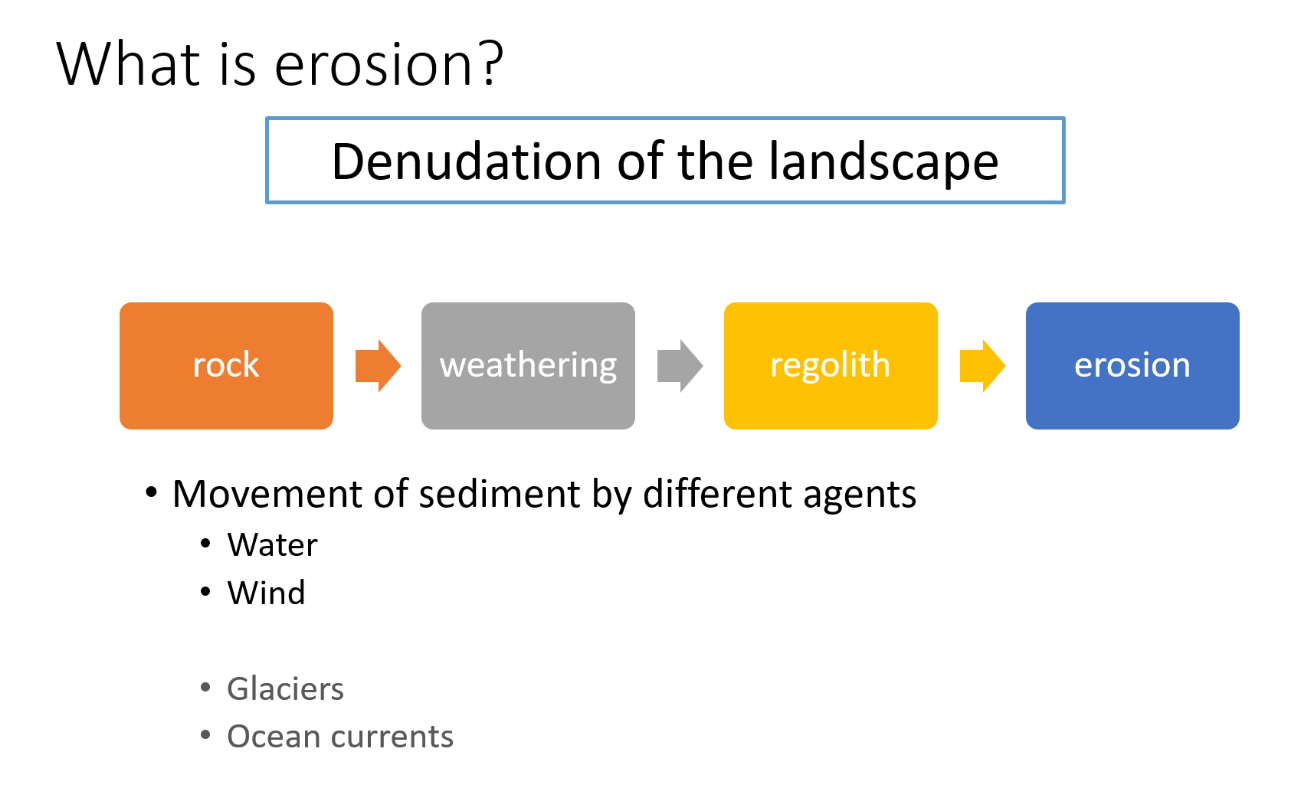
Physical Geography, meanwhile, takes you into the tropics. Topics range from atmospheric circulation and tropical climates to drainage basins and floods, before moving into geomorphic processes such as erosion, weathering and mass movements. You will also study the formation of landforms, including deltas and karst landscapes.
What should you expect?
Each week, Geography students have two 45-minute tutorial blocks: one for Human Geography and one for Physical Geography. Lectures are uploaded online, and keeping up with them is important: the notes do not always capture everything covered, especially the case studies and examples your tutors may bring in during lectures.
Like most humanities subjects, Geography rewards far more than simply knowing the content. The current assessment objectives place substantial emphasis on analysis and evaluation. Strong answers therefore need to move beyond explaining and towards weighing factors and making reasoned judgements.
This becomes particularly important in essays. At the highest level, the syllabus expects evaluation that is “consistently analytical and coherent”, supported by relevant examples and accurate geographical knowledge. Hence, memorising an essay and reproducing it wholesale is unlikely to get you very far.
Another unique feature of the syllabus is synoptic linking, where students are encouraged to draw on relevant content from one topic when answering questions from another. It can take some time to recognise these connections, but your Geography tutors will guide you through how to build them into your responses.
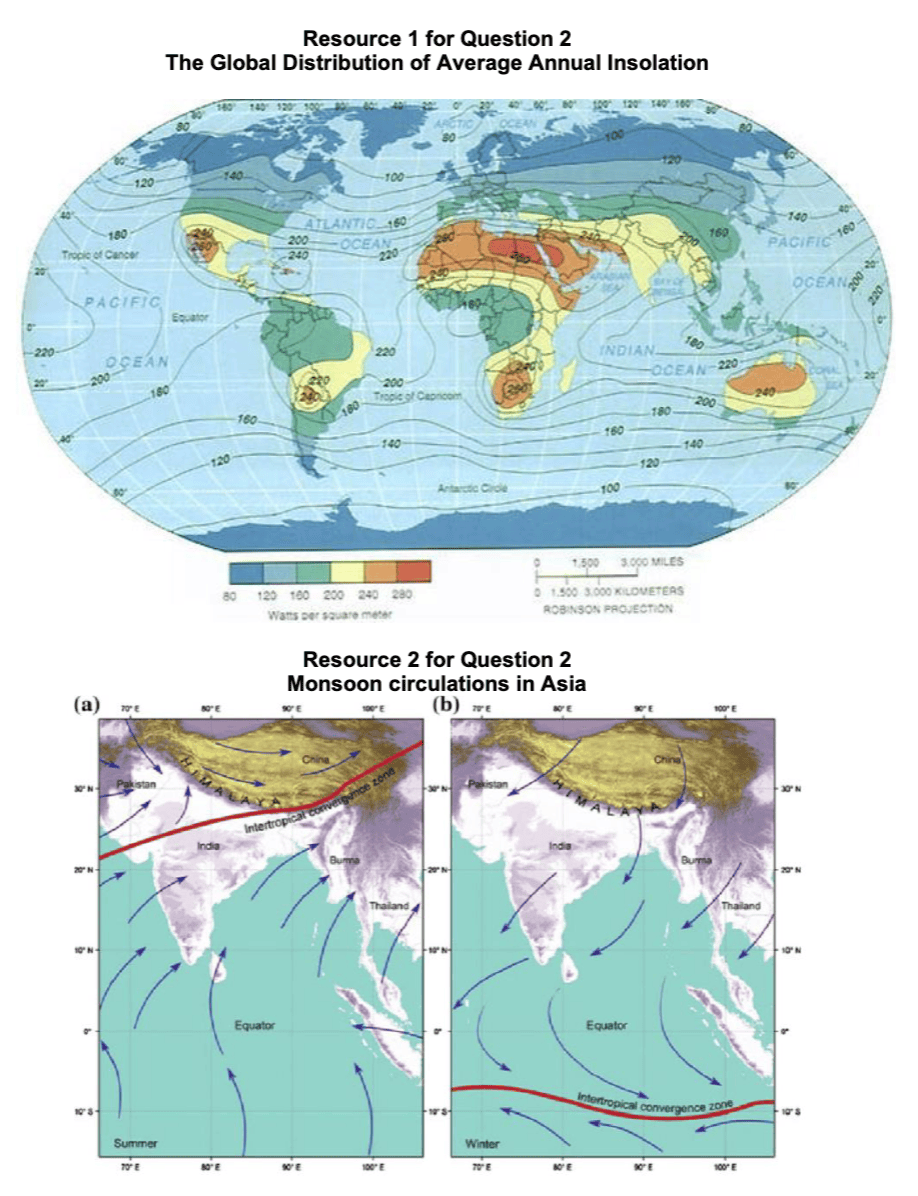
Then there are the structured questions. Expect graphs, maps, photographs, tables and other resources that require you to identify patterns and describe trends. Questions may also ask you to compare data or account for differences between places. In other words, knowing your content matters, but so does being able to work out what the question and resources are actually telling you.

What do exams look like?
Under the current syllabus, the A-Level examination consists of two three-hour papers, each worth 50% of the final grade.
Paper 1 covers Clusters 1 and 2. It contains two 30-mark structured questions, one from each cluster, followed by two 20-mark essays, again with one chosen from each cluster.
Paper 2 covers Fieldwork and Cluster 3. Students answer a 40-mark fieldwork question, a 30-mark structured question on Cluster 3, and one 20-mark essay.
For Year 5 promotional examinations, the format is more compact: one data-response question and two 20-mark essays, with one Human Geography essay and one Physical Geography essay.
Students familiar with the previous syllabus may also notice the disappearance of the old 12-mark essay. Currently, full essays are worth 20 marks, placing greater emphasis on sustaining an argument and evaluation across a longer response.
Who should take H2 Geography?
There is no prerequisite for taking H2 Geography, so you do not need prior experience with the subject to pick it up in JC.
What helps most is a genuine curiosity about the world around you. Geography asks you to think about how people interact with their environments, and how physical and human processes shape the world we live in. If you enjoy making connections between people and places, there is likely to be something in the syllabus that interests you.
That said, there is a substantial amount of content to keep up with. Beyond remembering concepts and case studies, you will also need to apply them selectively in essays and data-response questions. Staying consistent with lectures and revision therefore goes a long way.
Ultimately, H2 Geography is a good fit for students who are curious about the world and willing to engage with both its human and physical sides.
Additional Links
For more information about the 2027 H2 Geography syllabus, click here.


