

By Olivia Chia (27A01A)
This article is part of a series of revisions to Raffles Press’ Please Mind the Platform Gap, intended to refresh dated information while retaining the core structure. For our previous feature on H2 ELL, please click here.
All information provided here is accurate as of the time of writing.
This article does not necessarily reflect the views of RI’s academic management and should not be used as a substitute for formal academic counselling.
This is a real picture from an ELL lesson, featuring Ms Audrey Tan, who teaches Paper 1.
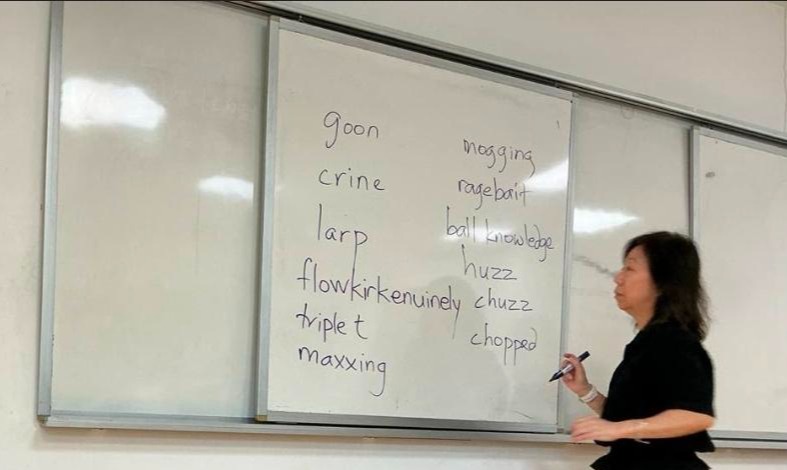
If you aren’t reading this in the year 2026, these words may make no sense to you. That’s okay. In fact, that’s exactly what we study; language often evolves faster than humans can keep up with, but along the way, patterns emerge in the way we write, speak and interact with the world. If the prospect of discussing “triple t” in a classroom setting intrigues you beyond simply being amusing, ELL may be a good fit for you.
In order to qualify for ELL, you must obtain a good grade in English Language in secondary school (at least an A2 at the O Levels) and pass an aptitude test. For RI and RGS students, the grade requirement will be stipulated by your respective school. Those who meet the cutoff are still required to take the aptitude test, which is usually held in January or February. As the content of ELL is markedly different from what was taught in secondary school English, proficiency in English is expected but not a guarantee of suitability for ELL.
Also note that certain subject combinations involving ELL need a special appeal due to timetabling constraints.
Like every humanities subject (with the exception of English Literature), ELL is split into two halves: Paper 1 and Paper 2. They are taught separately by different teachers on alternating weeks, with different content and exam formats. This means that the switch between content every week may be disorienting at first. ELL lectures are pre-recorded and uploaded on Ivy regularly.
Unlike many other humanities subjects, ELL lecture notes and tutorial materials are now entirely online. If you don’t already, I suggest making a habit of organising your folders in your note-taking app before it is flooded by the sheer volume of ELL lectures and readings.
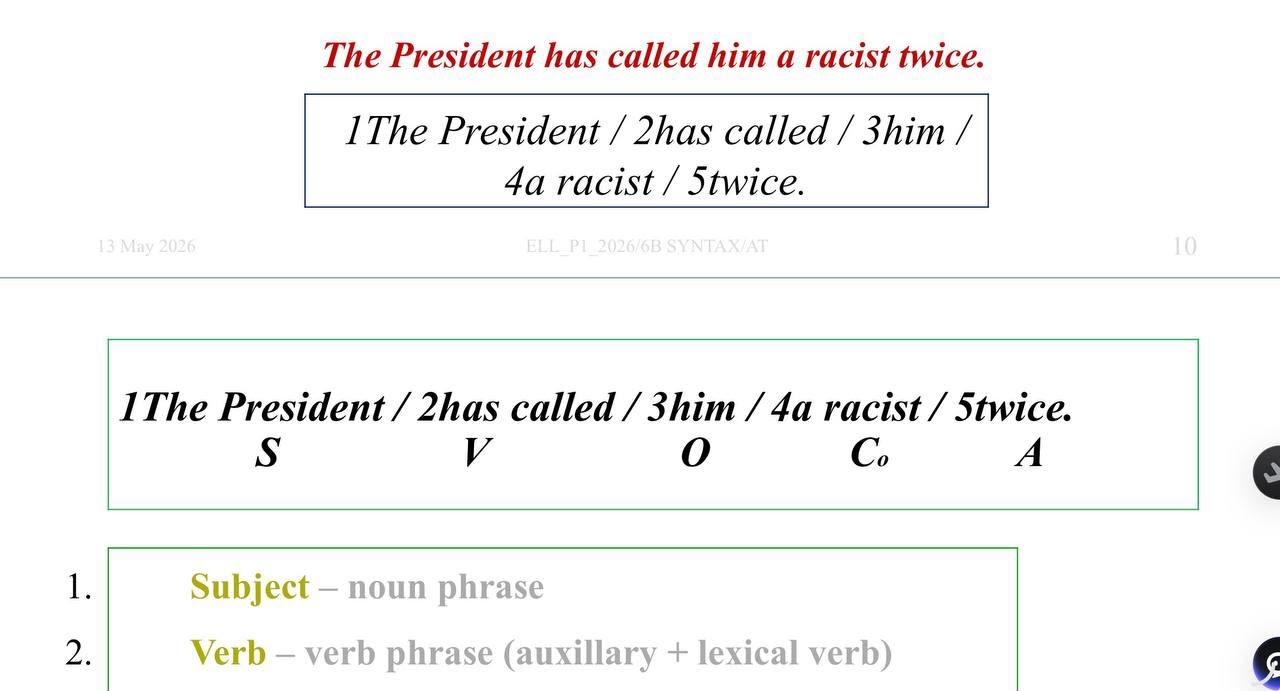
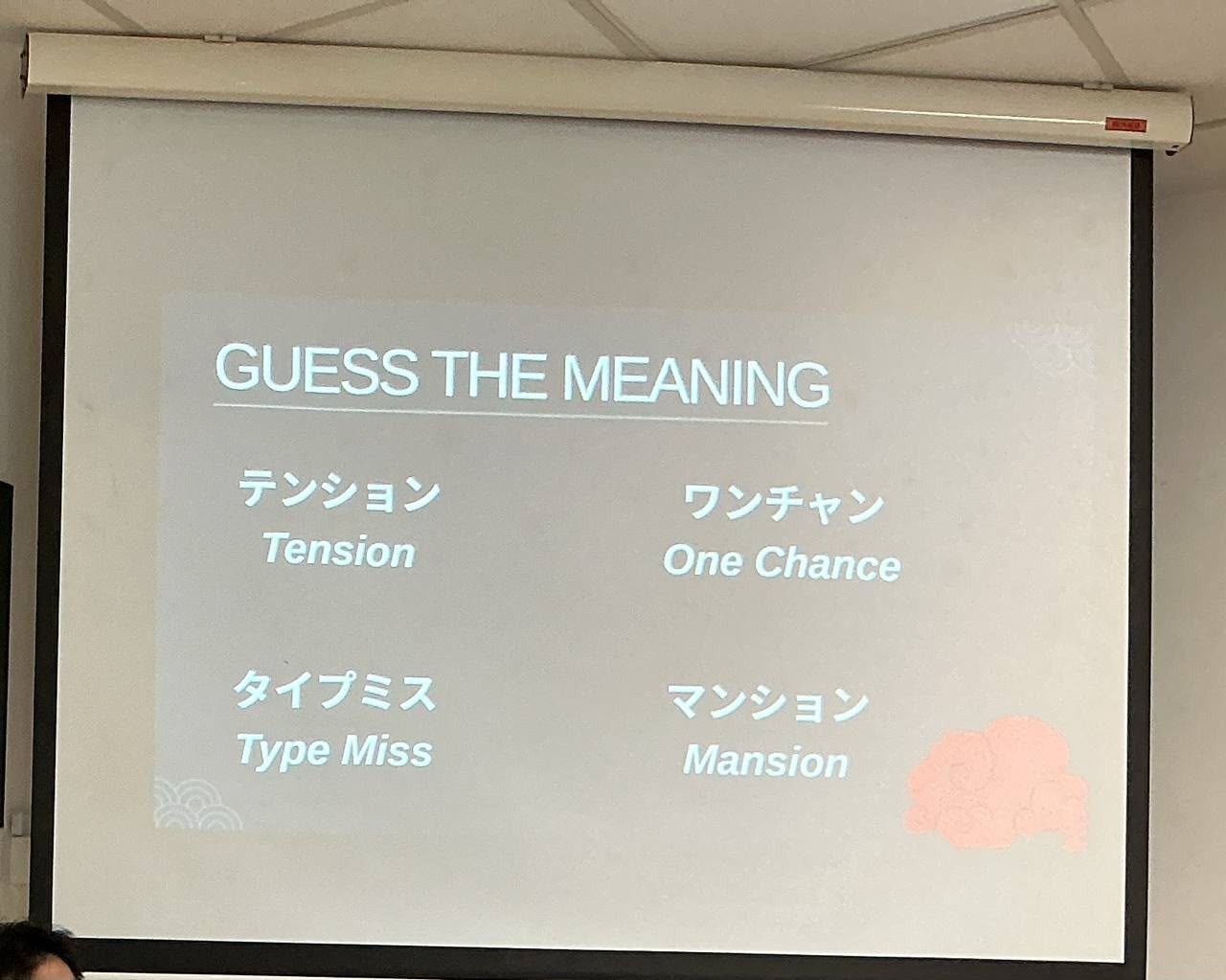
Analysing Language Use: Paper 1
Paper 1 is mostly about language features, differences between spoken and written texts and online communication. We cover specific fields of English such as syntax, lexis, phonology, morphology, as well as linguistic processes and features (e.g. sentence moods, prosodic or paralinguistic cues).
We look at real advertisements, transcripts, articles, as well as our own daily lives to analyse, as the name suggests, the use of language. For example, an interesting assignment I did this year was my weighted assessment, which was a presentation on politicised internet slang (including Kirkification and the “Big Yahu” trend).
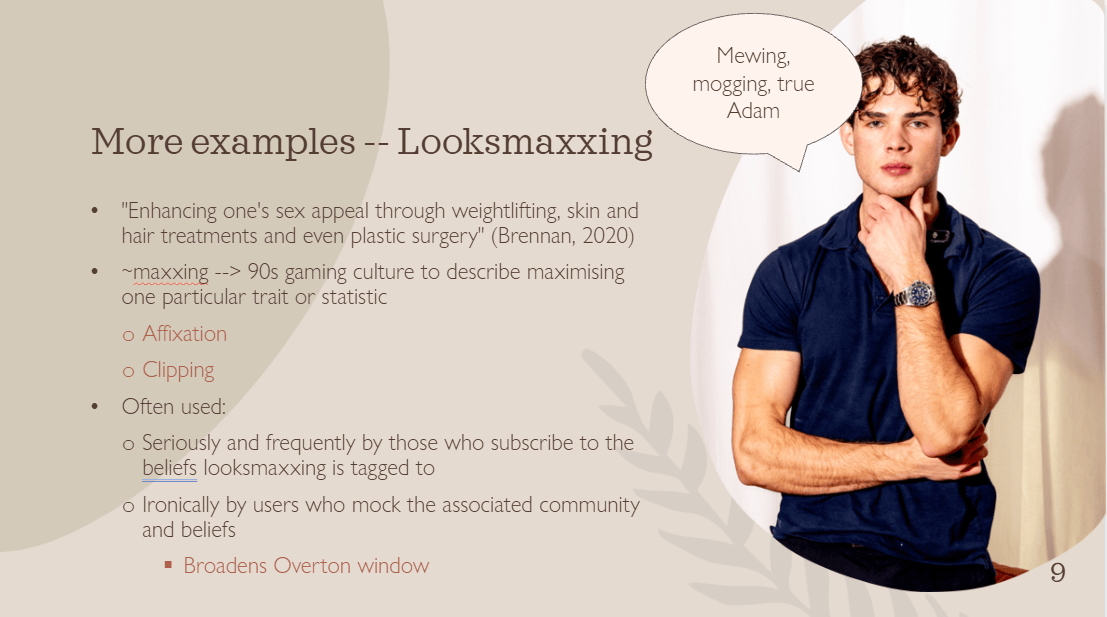
Beyond a good grasp of linguistic concepts and their respective technical terms, Paper 1 requires you to look deeper into the context of the texts to infer why language is being used the way it is. One way we’re taught to do this is through the PACC (Purpose, Audience, Culture, Context) method.
Investigating Language Use in Society: Paper 2
For Paper 2, the syllabus is more conceptual. It mostly looks into variations of English and accents and how they are affected by social factors like demographics, geography and other contexts. You do not need to memorise a lot of wider linguistic studies (WLS) to support your arguments in essays, as they can be mostly drawn from your own experiences and the world around you.
Exam Format
| Paper 1 | Paper 2 | |
| Y5 (Total duration: 2.5 hours) Suggested breakdown is 1.5 hours for Paper 1 and 1 hour for Paper 2. | Format: Two texts, one spoken and the other written. Discuss and compare their respective linguistic features. Skills: Good grasp of linguistic features. Read between the lines and understand the wider sociocultural contexts the texts are taken from. | Format: Between 1 to 4 texts (usually taken from articles). The essay question is more conceptual in nature and relies more on theory (which is taught in lectures). E.g. “Discuss in detail if it is futile to be bothered by changes in the English Language.” (2025 Y5 Promo Paper) Skills: Wider linguistic studies (WLS), which can be found in lectures as well as your own general knowledge |
| Y6 (Total duration: 6 hours; 3 hours per paper) | Format: Divided into two equally weighted sections, Section A and Section B. Section A: Comprises written, spoken and multimodal material from everyday contexts. E.g. speeches, articles, blogs, and websites Section B: Based on different material from Section A. The task will be structured in two parts: firstly, adapt the given material for another written medium, and secondly, write an evaluation of the adaptation. Skills: Section A requires a detailed analysis and comparison of the linguistic features of the texts | Format: Divided into Sections A and B. Answer three essay questions, with at least one question from each section Skills: Analyse multiple sources in order to discuss sociolinguistic concepts |
More information on the A-Level format can be found here.
Value
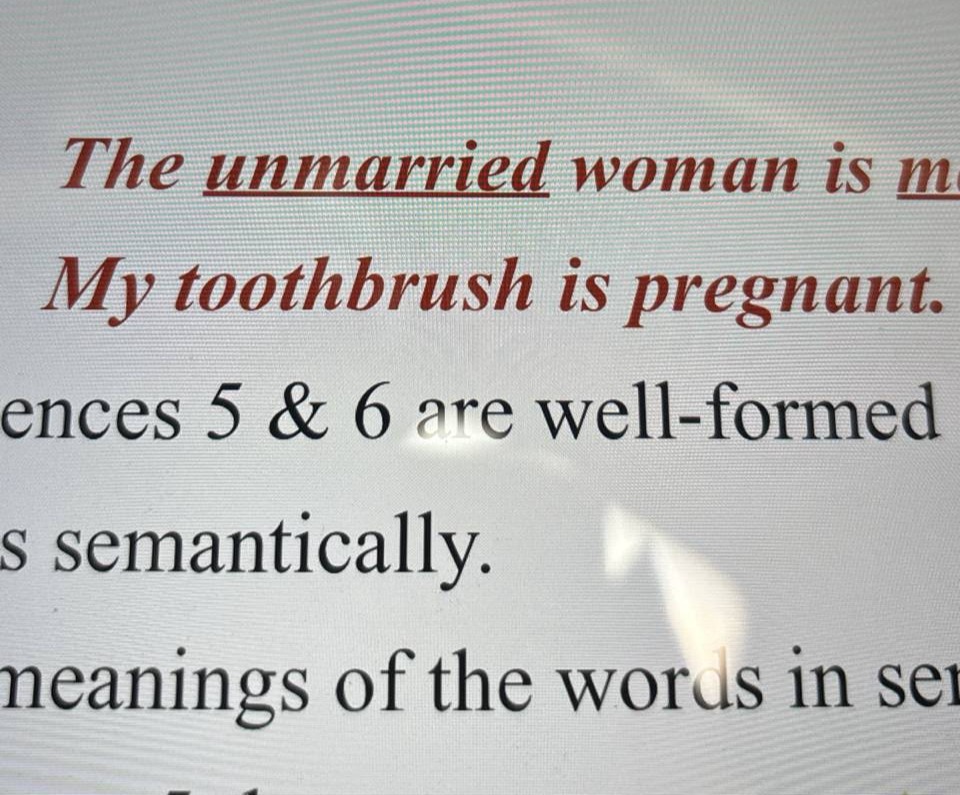
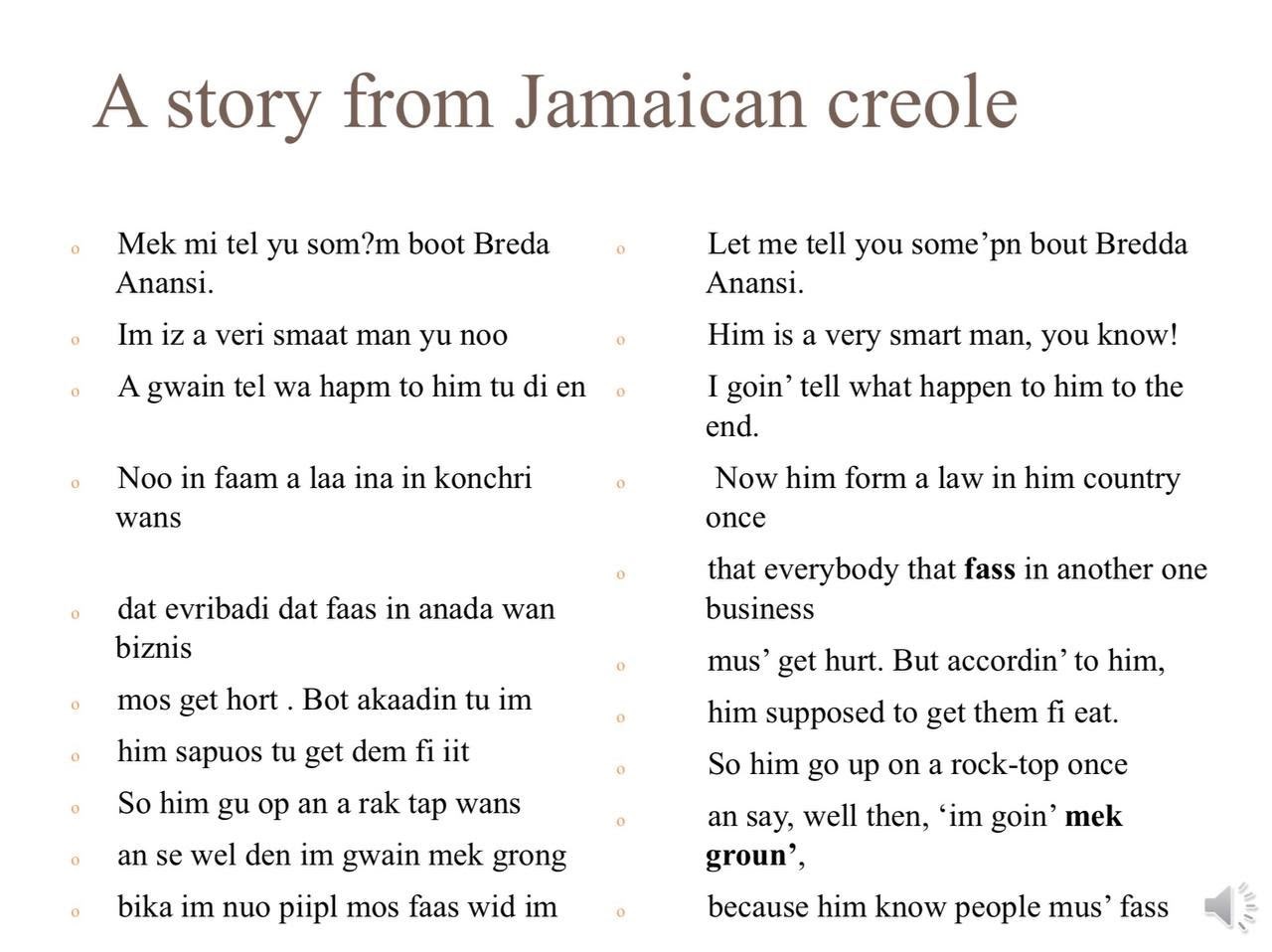
In my own experience, ELL has let me notice things I have never even thought to think about. In daily conversation with friends and family, I notice features of our unique dialects, such as us RI students referring to our convenience store as “Chill” despite the store itself now going by a different name. The word itself would mean something different to a non-Rafflesian, but we know exactly what we’re talking about when we use it. The same can be said for the hidden social implications of words we use unthinkingly on a daily basis. This is rather aptly exemplified by this page from my Paper 2 lecture notes.
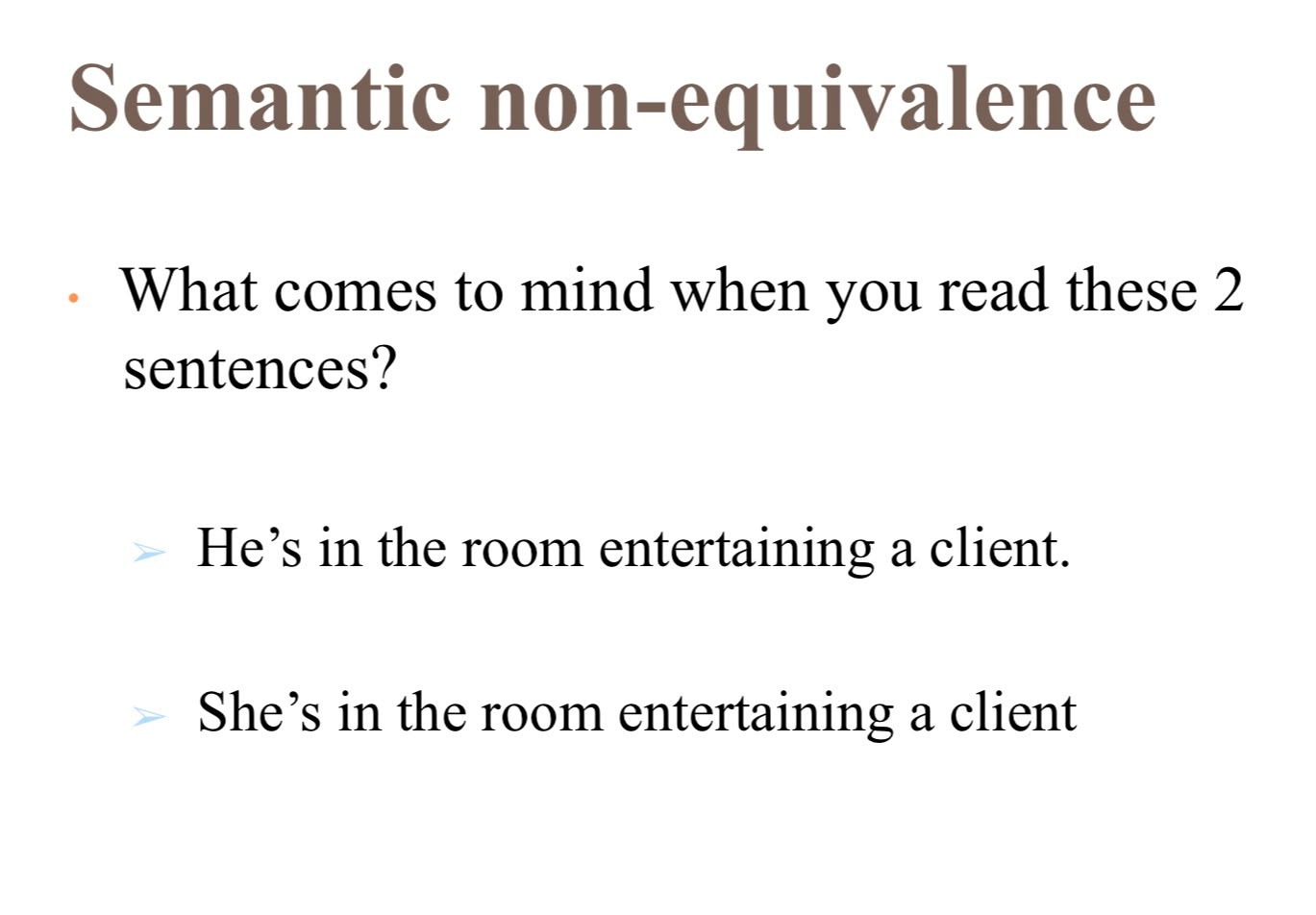
One of the first things we’re taught to let go of is prescriptivism, which is basically when we prescribe a certain standard of “good” or “bad” English. Most linguists believe that colloquial or non-standard variations of English, like Singlish and African American Vernacular English, are legitimate variations of English that have their linguistic rules in their own right. In fact, we get marked down in essays for value judgements like calling a variation ungrammatical or wrong. It’s helped to break down some preconceived notions and biases that I had and made me appreciate the diversity of English a lot more.
Considerations
ELL is an unusual subject, so your pool of resources from seniors isn’t going to be very big (although the RI notes are pretty good). If you’re one of the few (or only, like me!) ELL students in your form class, you won’t be able to discuss tutorials or exams with people quite like your other classmates can. But don’t worry! ELL class sizes tend to be small, usually ranging from 10 to 15 people (my ELL class has 8, including me), so you’ll have a more bonded, cosy environment.
There is no real structure to ELL essays that you can memorise. In fact, attempting to use a memorised structure at the A Levels is discouraged by our teachers and A Level markers. Scoring well in ELL takes some trial and error, so take feedback seriously and book consultations if necessary.
Something else to consider is your timetable. ELL lessons tend to be about 20 minutes longer than other humanities lessons, so chances are (if you’re in an Arts class, at least) your lessons will start a little earlier or end a little later than your classmates’.
You may also want to think about your examination schedule. Some may consider this a trivial, short-term concern. As an English Literature student, I do not. My Literature papers and my ELL papers took place on the same day this year. Are you willing to put yourself through that? If your answer is yes, then you have one less barrier to entry!
Future Prospects
Many subjects are academic requirements for certain university courses and majors. Full disclosure: ELL is not one of those subjects. However, ELL can be beneficial for any major that requires a strong command of English and analytical skills, such as journalism or the social sciences. If you have a genuine interest in ELL, you can continue exploring it at a university level, as many major universities in Singapore, such as NUS and NTU, offer Linguistics.
It is worth considering that there is currently no such thing as H3 ELL. Not taking more conventional humanities subjects like Geography and History closes a few doors for you in terms of H3 options, such as Geopolitics at NUS. There is, however, a two-year scholarship available for ELL-takers called the MOE English Language Elective Scholarship (ELES). It annually covers school fees of up to $2400, an allowance of $1000, as well as opportunities for job attachments in November/December. Note that if you are thinking of applying for another scholarship, such as the Humanities Programme Scholarship, you will only be able to accept one.
More information about the ELES can be found here.
Ultimately, what ELL teaches you to do is to understand the world itself through language. If you’ve ever found yourself wondering why different ways of writing and speaking are associated with different demographics, or why objective gibberish like “triple t” can garner such traction with youths from all over the world, you may belong among the rare few ELL students.
Additional Links
For more information about the 2027 H2 ELL syllabus, click here: https://www.moe.gov.sg/media/files/post-secondary/syllabuses/314ee867-40b2-45ec-9c63-94692a92cc7a.pdf.
For more information about the exam format, you may visit this link: https://isomer-user-content.by.gov.sg/334/2aa0330d-e48d-4f84-ae42-4d5f5e96015f/9508_y26_sy.pdf.
For more information about the English Language and Linguistics Scholarship, click here.


