

By Ong Tsz Xiang (27S06M)
This article is part of a series of revisions to Raffles Press’ Please Mind the Platform Gap, intended to refresh dated information while retaining the core structure. For our previous feature on H2 Japanese, please click here.
All information provided here is accurate as of the time of writing.
This article does not necessarily reflect the views of RI’s academic management and should not be used as a substitute for formal academic counselling.
お疲れさまでした!! Taking Japanese for four years as an extra O Level subject is certainly no easy feat.
As you cross the bridge to JC, please don’t feel pressured to push yourself up the admittedly steep learning curve of H2 Japanese, nor compel yourself to conform to your peers’ subject combinations. Even with a distinctly new syllabus and group of classmates, the community of friends who learnt Japanese alongside me over the past years and the new insights I found in Japanese culture have stayed with me.
What are lessons like?
For starters, they are conducted twice a week from 5.30 to 7.30 pm at the Bishan MOELC. Classes may overlap with the sessions of certain CCAs, which could affect your CCA options unless special arrangements are made. The days are given during the bridging courses in mid-January, so there will be some time before CCA selections around February.
Unlike some older batches, the prerequisite for taking H2 Japanese is that you must have taken Japanese up to Secondary 4, or otherwise, taken an aptitude test. For the former group, the Bridging Course no longer has an aptitude test, but we did have a writing activity to know where we stood. However, as the subject can be quite rigorous, personal interest in the subject and culture will always go a long way.
Lesson Content
Lessons are a great shift from secondary school. The majority of time will be used for discussions that extend beyond textbook content. Meanwhile, dictation from textbooks and learning new grammar patterns and vocabulary will mostly be done independently.

Topics place great emphasis on Japanese current affairs and social issues. Personally, some very memorable ones include comparing universal design in both Singapore and Japan, as well as regional revitalisation (地域活性化) through local heroes. You will be given many opportunities for mini, non-graded presentations for most of the topics.

In JC, you will be frequently reminded to have all your conversations in Japanese, a rule that I’ve admittedly broken quite a few times. But don’t be afraid of making mistakes or talking in broken sentences; everyone’s there to learn! Committing to this rule is one of the best methods to boost your oral skills and natural use of the language.
The Assessments
The A Levels consist of Listening, Reading, Writing, Speaking and a new component, Coursework, all weighted equally.
| Component | Duration | Weighting | Description |
| Listening | ~1h | 20% | Section 1 (10 marks): Short questions, e.g. True/False, fill-in-the-blank Section 2 (30 marks): OEQs |
| Reading | 1h 30min | 20% | 40 MCQ Questions (No OEQ) Many different texts, including advertisements, forums, blogs, reviews |
| Writing | 2h | 20% | Situational Writing (16 marks) Argumentative Essay (24 marks) |
| Speaking | 20min | 20% | Part 1: Presentation about a chosen topic Part 2: Topic Q&APart 3: General Conversations |
| Coursework | N/A | 20% | <2200 characters on a topic |
While Coursework only begins in Year 6, Continual Assessments (CAs) like the group presentation on a research question and preparation for topic conversation in Oral are good tasters to develop your skills. Unlike in previous years, you are only required to write one piece now.
Comprehensions have also recently been reformed from two passages with OEQ questions to 40 MCQs. (Huzzah!)
The biggest jump is likely to be the essays, as you move from mainly narrative pieces to argumentative writing. However, rest assured that you will be given plenty of practice once you start class, and Generative AI is quite decent at producing practice questions should you need more. The topics are quite broad, as you can see from these samples:
- 日本では2015年に選挙権の年齢が20歳から18歳に引き下げられました。18歳の人が公正に投票することができるかどうか、あなたの意見を書きなさい。
- In 2015, Japan lowered its voting age from 20 to 18. Do you think 18-year-olds can vote fairly?
- 「ボランティア活動は、自分の勉強になり、自分の心が豊かになるからするものだ。人のためにするものではない。」という意見に賛成ですか。
- Do you agree that volunteering is meant for one’s own learning and emotional fulfilment, and not for the sake of others?
- 学校でもっとAIを活用すべきか。
- Should schools use more AI?
On another note, CAs are quite frequent, with three contributing 20% each to the overall grade (some CAs can also be split into smaller assessments throughout a term). H2 Japanese demands consistent effort, and it will be considerably demanding at certain moments, especially in Term 3. You may have to juggle presentation preparation with oral script rehearsal and essay practice all at once, so mentally steel yourself for a more intense journey.
What’s in Store for Me?
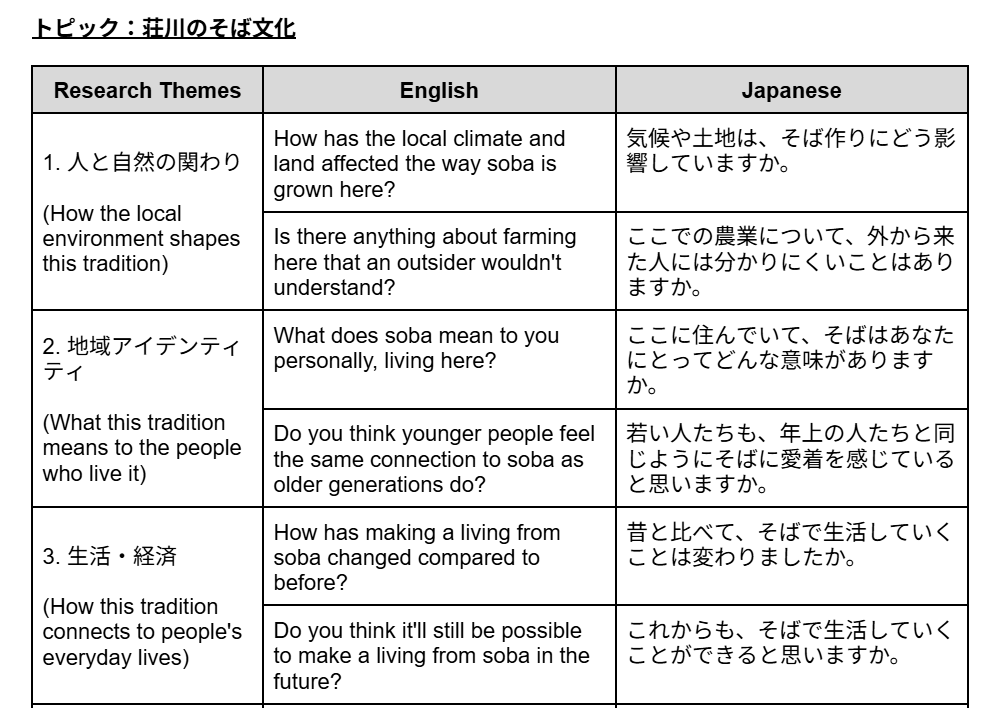
H2 Japanese has a host of unique opportunities, which became my main motivation for studying it. The Japanese Language Elective Scholarship (JLES) is offered to H2 Japanese students who have obtained at least a B3 in O-Level Japanese. It provides an annual allowance of up to $1000 and a study-cum-immersion trip to Japan. During the trip, you get the opportunity to partake in interviews with local businesses (for my group, we are visiting a soba shop). There is also a week-long school exchange programme where you can join their clubs (部活) and even take part in an English debate with their team of students.


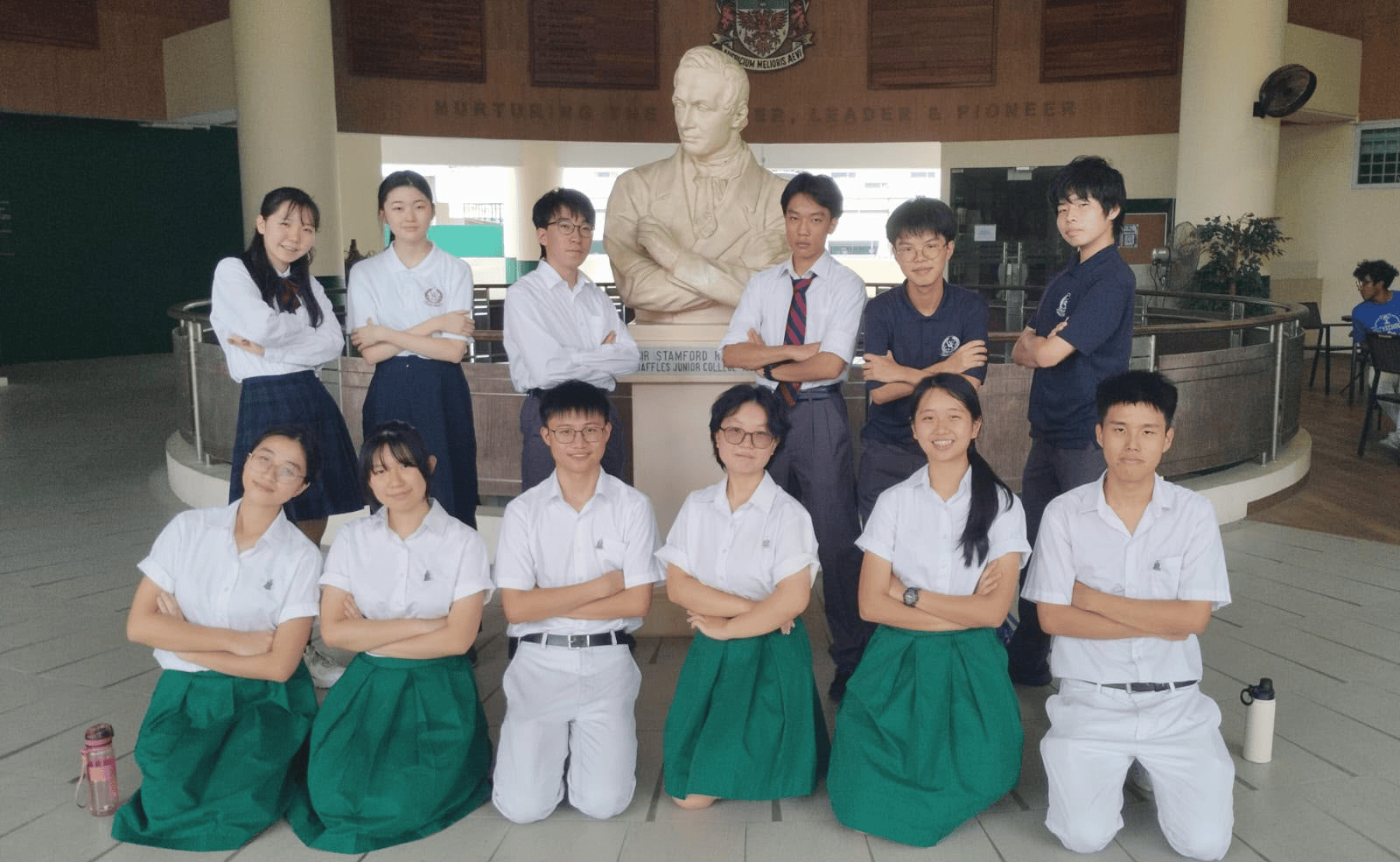
Exchange programmes in Singapore, including those with Waseda Shibuya Senior High School, are open to all who sign up. Participating in these cultural school exchanges has been a really rewarding part of Japanese for me; it has let me develop my conversation skills and discover differences in our school routines. I strongly encourage you to apply for them!
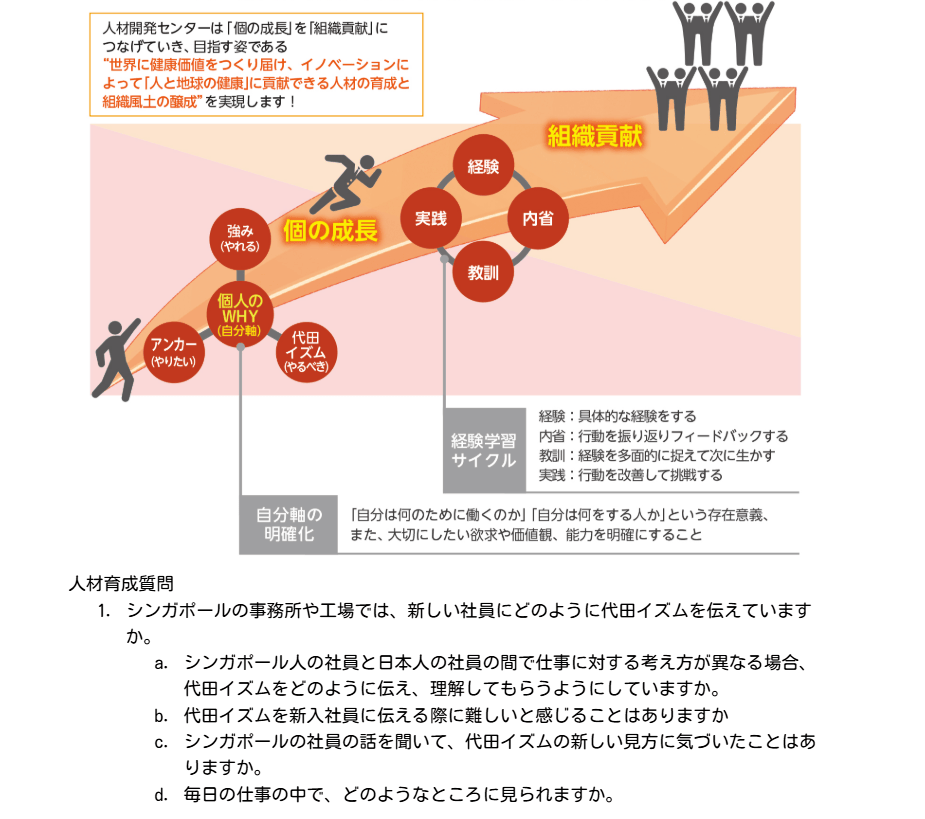
Additionally, you will be able to visit a Japanese corporation of choice and interview the staff on topics ranging from human resources to global expansion. This year, my class is headed to Yakult, but other common options include aviation, food and clothing industries.

You may also be required to take part in the JC category for the Japanese Speech Contest. Don’t be shy and go for it! It’s a great place to develop your confidence, and it comes with attractive prizes, including a homestay trip to Hokkaido.

Some Advice…
Since language learning in particular requires consistent practice, H2 Japanese needs a lot of time and high levels of mental fortitude. For my part, as my school commitments varied throughout the year, my Japanese abilities, too, ebbed and flowed. Something I find very valuable is to converse in Japanese with your friends both in and out of class as much as you can, and surround yourself with Japanese news and media to train your listening.
Since lessons mainly focus on content, you will need to self-study grammar and vocabulary. I found using AI to collate Quizlet flashcards surprisingly useful, especially for writing essays.
Nevertheless, H2 Japanese has been one of the most fulfilling parts of my JC life, as I made friends with those from other classes and other schools, and other cultures from the wealth of exchange programmes offered. While it is occasionally tiring, it is never truly draining for me, as I always find each class has something to look forward to, and I sincerely hope you feel the same if you do decide to take Japanese.
ネバーギブアップ!

Additional Links
For more information about the 2027 H2 Japanese syllabus, click here.
For more information about the Japanese Language Elective Scholarship, you may wish to visit the MOE website at: https://www.moe.gov.sg/financial-matters/awards-scholarships/programme-scholarships-pre-u/japanese-language-elective-scholarship.


