

By Sonia Chang (26A01A)
Horror has always been more than just blood and brains, ghosts and ghouls. It’s something like a funhouse mirror, held up to our deepest fears and the most pressing questions. And that’s because horror does not exist in a vacuum. It breathes the same air as we do—stale with dread, charged with paranoia, laced with angst. It is a genre in constant flux, shifting to reflect the zeitgeist of every age.
This article is not a comprehensive catalogue of every scream committed to the silver screen (that’s enough content to fill a book!). Instead, we’re here to look at the tip of the iceberg (and a little beneath it)—focusing on horror’s trends through time to explore its dynamic, ever-evolving nature.

Celluloid Spooks: The Earliest Flickers of Horror (Pre-1910s)
Horror’s roots lie in early cinema’s “trick films”—short silent reels featuring innovative special effects. The origins of these films are inseparable from age-old traditions of magic shows and parlour tricks. But while magicians once captivated audiences with smoke and sleights of hand, film offered a new kind of alchemy: the camera was now the magic wand. In an era hurtling towards modernity, many of filmmaking’s earliest pioneers were magicians themselves, eagerly drawn to the medium’s ability to transcend stage magic’s bonds of flesh and physics.
In 1896, illusionist-turned-filmmaker Georges Melies gifted the world with its first horror film: The House of the Devil. Just three minutes long, it takes us through sprightly encounters with spectres, skeletons and infernal creatures. Horror, however, was still a half-formed thing then, more an impish cousin of fantasy than a matured genre—not exactly nightmare fuel, but enough to make you go “How’d he do that?!”. These horror films were crafted to awaken awe at a world where, for the first time ever, the very fabric of time and space could be spliced and stitched before our very eyes.
It’s Alive! Horror’s First Steps (1920s-1940s)
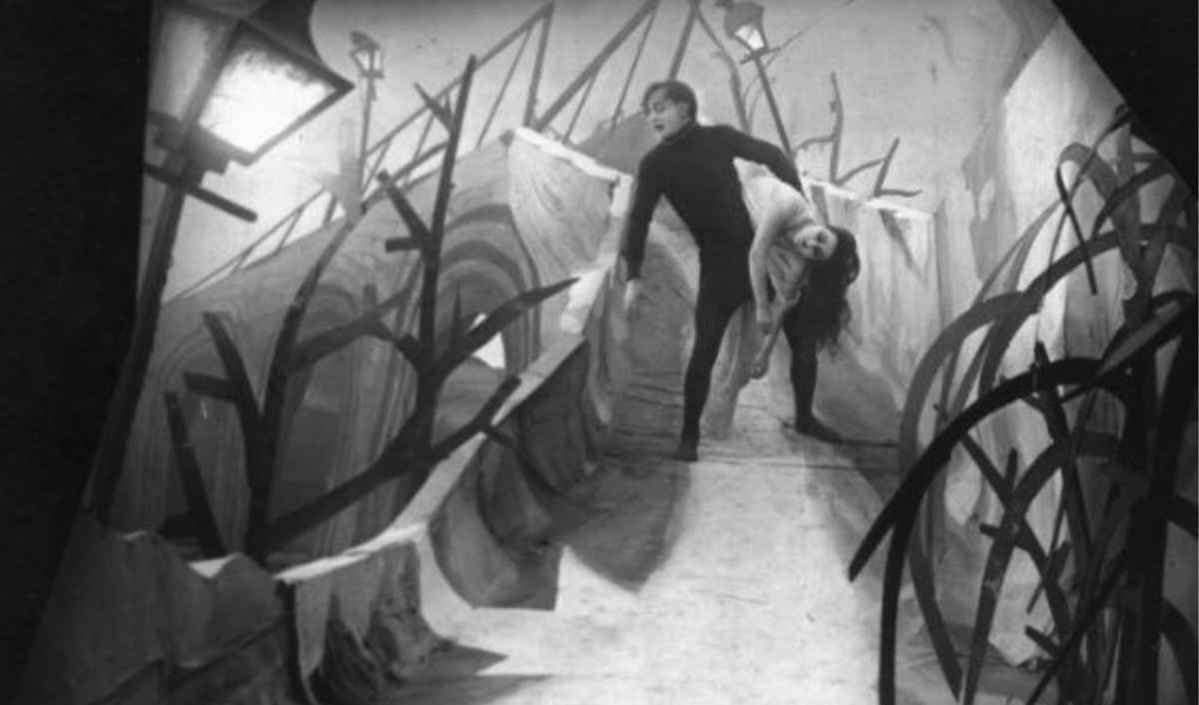
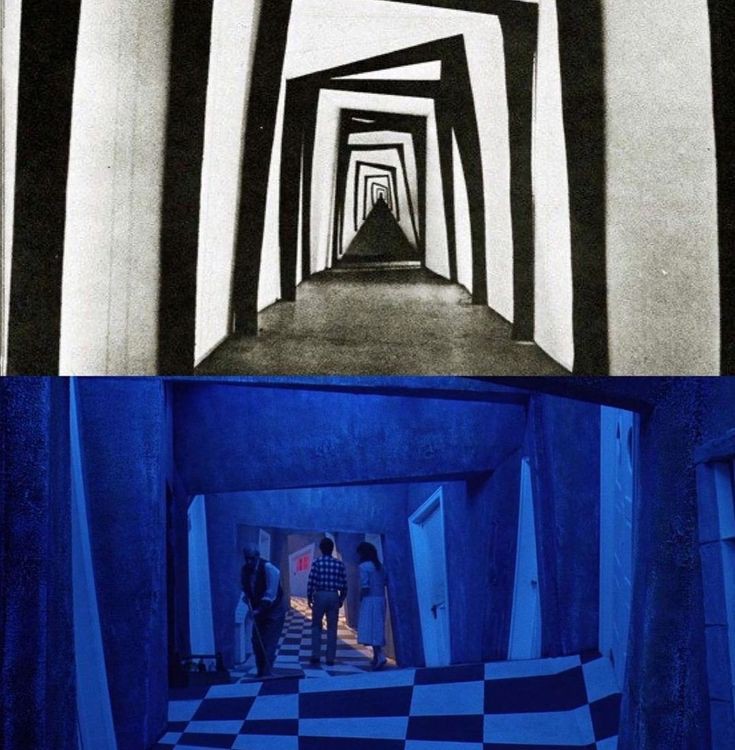
German Expressionism was a movement that bloomed in the bruised and bewildered landscape of post-WW1 Germany. A style of anti-realism, it bent the outer world into reflections of the fractured soul. The Cabinet of Dr Caligari (1920)—all absurd angles and chiaroscuro lighting – tells the tale of a deranged hypnotist who brainwashes a sleepwalker into killing for him, holding a mirror to a German society long subjected to tyrannical authority. Eerily prescient, the film almost seemed to foreshadow the coming rise of facism—the very regime that would dismantle the Expressionist movement by exiling its creatives to Hollywood.
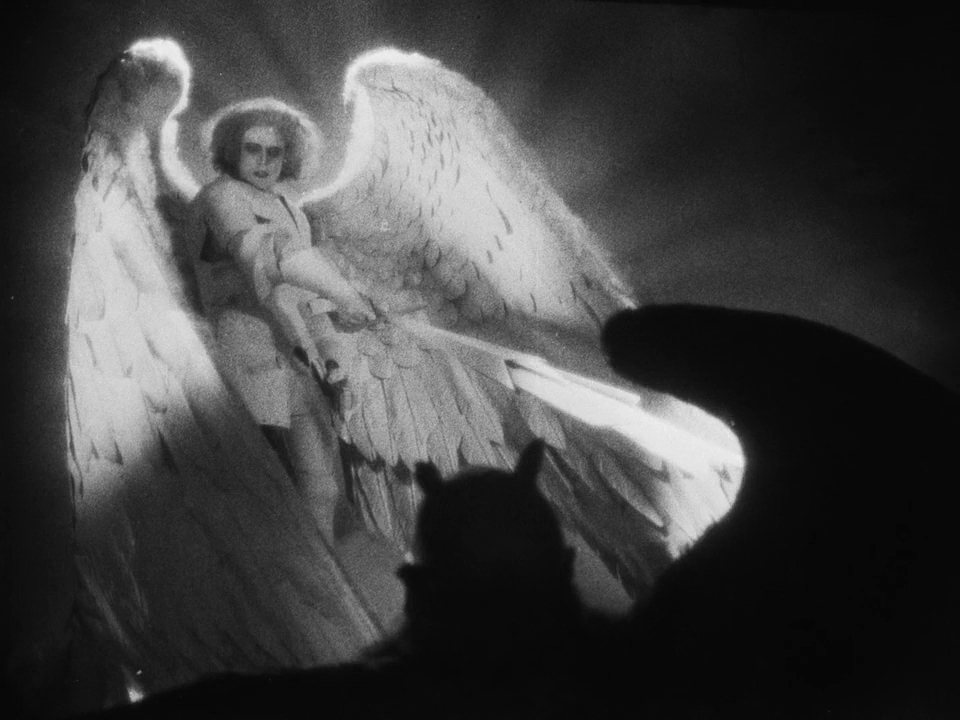
Few film movements have been as enduringly influential as German Expressionism in its brief but incandescent lifespan—birthing classics like Nosferatu (1922) and Faust (1926), and leaving an indelible mark on future filmmakers like Alfred Hitchcock and Tim Burton.
Across the Atlantic, Hollywood gave us Frankenstein (1931), Dracula (1931), The Mummy (1932) and more—the A-list undead club that have since carved themselves into pop culture. Horror, then, had finally become fully named and commodified.
Some films from this era pushed further into unsettling, transgressive realms for the first time. Freaks (1932) cast real carnival sideshow performers in a grotesque, gory tale of vengeance and reclamation, painting an unvarnished portrait of society’s “other”. Island of Lost Souls (1932) blurred boundaries between beast and man, leaving viewers recoiling from its provocative implications of blasphemy and deviant sexuality. The shock value of these films still hits hard today, but these films were never just about provocation. They were meant to confront the ugliest, most disquieting truths.
Panic! At the Cinemas (1940s-1960s)
By the mid-century, horror turned inwards. In Cat People (1942), fear was stirred not from spectacle, but suggestion. Psycho (1960) shifted the locus of horror from monster to mind, and was most startling in its banality of evil. Evil was no longer the far-flung, exotic other, but rather the boy next door. In Rosemary’s Baby (1968), it lurked in pristine Manhattan apartments.
The Cold War’s omnipresent sense of dread seeped into cinema as well. Them! (1954), featuring gigantic irradiated ants, channeled anxieties on nuclear fallout and scientific hubris. Invasion of the Body Snatchers (1956), born in the age of the Red Scare and McCarthy-era paranoia, reflected fears of identity loss and infiltration—that the enemy could wear our faces, speak our language, and live right among us.

George A. Romero’s Night of the Living Dead (1968) laid the foundation for the zombie genre that would later explode in the 2000s. Here, zombies were not just brainless, brain-eating monsters—they were part of social commentary, critiquing Cold War tensions and racism in the US.

Horror’s Renaissance (1970s-1980s)
The 70s and 80s saw horror morph into a wild, writhing many-headed creature. It was an era of explosive creativity that witnessed the rise of genre-defining auteurs: Wes Craven (A Nightmare on Elm Street, The Hills Have Eyes, Scream), Dario Argento (Suspiria), David Lynch (Eraserhead, Blue Velvet, Twin Peaks, Mulholland Drive), David Cronenberg (Videodrome, The Fly) among others, each pushing horror into new thematic and aesthetic frontiers.

Occult horror reigned, from The Exorcist (1973) to The Omen (1976), fuelled by a myriad of cultural reasons including the Satanic Panic and pushing back against the excesses of 60s counterculture. Slashers were also the flavour of the day, with The Texas Chain Saw Massacre (1976), Halloween (1978), Friday the 13th (1980) and A Nightmare on Elm Street (1984), channeling suburban anxieties. This coincided with growing criminal profiling in law enforcement, and the formal coining of the concept of “serial killers”—all of which bled into public consciousness and naturally then, the silver screen.
A notable trend that emerged was the adaptation of contemporary literature rather than traditional classics. Stephen King and other horror writers became all the rage those days. Forget dusty old vampires—horror now came in the form of prom queens, killer clowns and undead pets.

Reboots & Reinventions (1990s-2000s)
Horror began to cannibalise itself. At this point, people have seen it all: stabbings, possessions, god-awful CGI, all three unnecessary sequels. What was left for horror?

Scream (1996) supplied an answer: poking fun at itself. Scream was a genre-savvy, self-aware slasher that called out time-worn horror tropes while gleefully indulging in them. This post-modernism continued well into the 2000s, with comedic parodies like the Scary Movie series and Shriek If You Know What I Did Last Friday the 13th (2000).

Torture horror is theorised to have risen in the wake of 9/11, which had left the world shaken and nihilistic. Films like Saw (2004) and Hostel (2005) pushed the limits in depicting human depravity and suffering. The New French Extremity movement, dubbed the “intellectual sibling” to torture horror by critics, took gore to more existential depths with films like Inside (2007) and Martyrs (2008).
After the 1999 sleeper hit The Blair Witch Project, the found footage genre gained further popularity (Paranormal Activity (2007), Cloverfield (2008)) thanks to the rise of sites like YouTube in the 2000s that fuelled a fascination with amateur media. Asian horror also burst into the international spotlight, with Ring (1998), The Eye (2002) and Dark Water (2002).
A New Age (post-2010s)
Today, horror is more diverse and vital than ever.
Women and filmmakers of colour are using horror as a tool to confront sociopolitical realities. Get Out (2017) was a razor-sharp reckoning on race and privilege. The Substance (2024) explored toxic beauty standards and the objectification of women.
Conceived and shot entirely during the COVID-19 lockdown, Host (2020) transformed the now-ubiquitous space of Zoom into a site of doom.
The rise of arthouse horror (or “elevated horror”) has given the genre a glow-up too. Directors like Ari Aster (Hereditary, Midsommar, Beau is Afraid) and Robert Eggers (The Witch, The Lighthouse, Nosferatu)—with their focuses on atmosphere, characters, style and thematic richness – are pushing the genre to greater artistic and aesthetic heights.


Conclusion
Horror has never stood still. From flickering phantoms, to psycho killers, nuclear behemoths, and the Devil Himself, the genre has always reflected our lived experiences and evolving fears. Not all horror films withstand the test of time (looking at you, CGI worm…). Gimmicks curdle into kitsch, what was once hair-raising is now hilarious. However, the most resonant stories don’t fade, they follow—forever crawling under our skin. They endure because they are not just reflections of fear, but also meditations on fear.
Horror, at its best, is about us. And this is why the genre has remained popular through the ages: as long as we are haunted by what it means to be human, we need the stories that name this darkness.


AMAZING
i love this so much! it’s so fascinating to see an analysis of horror over the years