

By Prajna Girish (27S06O) and Saadhana Kalimuthu (27A01C)
It’s as if studios have fired every creative individual on their premises during all those AI expansions. Movies—the defining cultural touchstone of numerous generations, including our own—have been reduced into diluted money grabs with little character development.
Once a gold standard for children’s cinema, Disney seems to be showcasing their creativity drought. Just this week at D23, original movies made up only about 6 of their 23 upcoming releases.
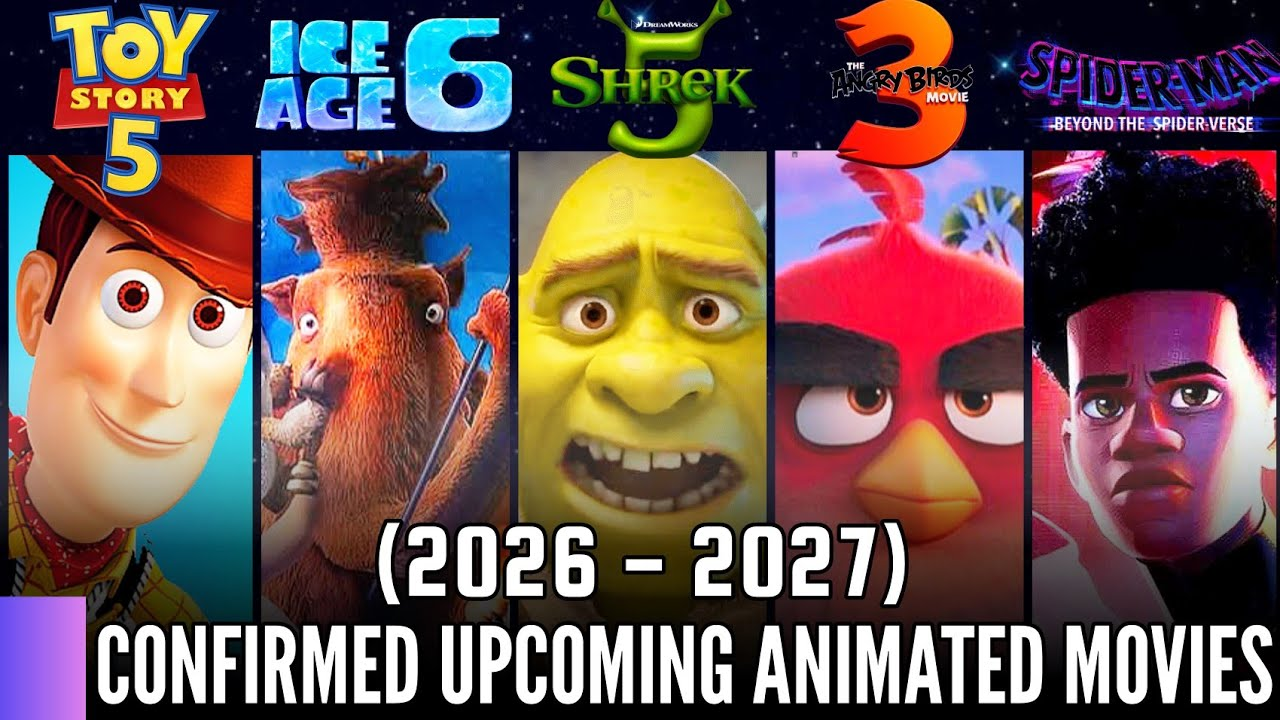
Cover page of a YouTube video featuring upcoming Hollywood sequels
Fundamentally, there seems to be nothing wrong with theatrical releases being based on old concepts. For one, Inside Out 2 remains one of my favourite animated movies, and can we really claim any thought to be fully original in this day and age? But when more than half are rehashed and repackaged ideas, one wonders whether the enthralling experience that is ‘Movie Magic’ has truly become a thing of the past.
“Teens don’t watch movies anymore!”: The Modern Conundrum
To put things into perspective, “every film released [in May 2024] (some examples include The Fall Guy, Furiosa, The Garfield Movie, Kingdom of the Planet of the Apes) combined to make less money than Avengers: Endgame (2019) made in its first eight days of release” (Phillips, 2024).
Blame for this phenomenon has been conveniently placed on growing Gen Z audiences and the proliferation of Over-The-Top (OTT) media services. Since the pandemic highlighted the ease and relative affordability of at-home streaming, the cinema industry has never been the same. Combined with rising economic instability globally, fewer people have the budget for sky-high ticket prices, over-buttered popcorn, and plush seats.
But.
I’m here to say fans have been, and will continue to be, willing to visit theatres, as long as screenings are worth the cost. Hit indie film Obsession (2026) by Gen Z director Curry Barker swept up a whopping $475 million at the box office, beating records only major studios have ever held. Wicked: For Good (2025), despite being both a sequel and adaptation (of its eponymous book and musical), was also embraced with a worldwide total of $533 million. Netflix and Prime may have had a hand in countless cinemas shutting operations globally, but so has the lack of uniqueness that made them so coveted from the outset by people from all walks of life. When accessibility is out of the question, all theatres have left to justify their hefty price tag is a special viewing experience. Substandard plotlines no one asked for simply don’t cut it.
The Simple Math of Sequels
The logic behind this creative drought is painfully simple. Sequels are cheaper to sell. Studios spend significantly less marketing a sequel compared to an original film because they do not have to build recognition from scratch. This conveniently eliminates the need for expensive trailers that sell an entirely new concept; just slap a number on the poster, and the audience already has a rough idea of what to expect.
Between 2010 and 2024, over 80% of the top ten highest-grossing films each year were sequels, prequels, or remakes. In 2024, every single film in the domestic top ten was a franchise instalment. Studios looked at these numbers and saw a formula that worked. A 150 million dollar sequel was a safer bet than a 100 million dollar original, simply because the return on investment was more predictable. Franchise films averaged significantly higher returns. The marketing was cheaper. The audience was already there. The risk was lower.
As film analyst Paul Dergarabedian from Comscore put it, studios see audience comfort as a safe bet. Knowing what you are walking into makes people more willing to spend money on a ticket. And for a while, this strategy worked perfectly. The numbers looked bulletproof.
Here’s the thing, though. Those numbers are starting to fall short.
The Audience Has Left the Building: The Backlash Is Real
The problem is that studios have become dependent on the aforementioned model. They have built their entire infrastructure around franchises. Directors are signed to multi-picture deals, writers are locked into cinematic universes, and suddenly, turning the ship around is not just creatively difficult—it is financially terrifying for the people in suits. So they keep churning out sequels, hoping the old magic will return, while audiences keep staying home.
The sequel strategy is not just failing at the box office. It is actively pushing audiences away. A Hub Entertainment Research survey found that only 29% of American consumers said they keep up with most or all entries in a given franchise. Even more telling is that 62% said that they preferred original stories over another sequel or spin-off. Only 24% of respondents said they were eagerly anticipating the next Marvel release. That is a staggering fall for a brand that once seemed unstoppable.
The Marvel Cinematic Universe (dubbed ‘MCU’)
The box office numbers reflect the mood. Disney’s Snow White remake lost over 200 million dollars. Jurassic World Rebirth underperformed expectations despite being one of the most reliable franchises in Hollywood history. The pattern is consistent across decades of data. Original films average 68% critical approval. First sequels drop to 58%. By the third or fourth entry, scores fall into the 40s. Critics and audiences are rating them lower, and the box office is following the same downward slump.
Even industry insiders are sounding the alarms. Alicia Reese, Senior Vice President of Equity Research at Wedbush Securities, said the reliance on franchises has been trickier the last few years. It is not a home run. It is never going to be a home run from here on out, because people are pickier than they ever used to be. Hollywood is not just losing money; it is losing an entire generation to East Asian media and independent films that actually try something new.
The sequel economy has a clear downside. Namely, rapidly diminishing returns and increasing audience burnout. And yet, studios keep doubling down.
Movie Magic May Not Be Dead
The truth is, audiences have not stopped loving movies; they have stopped loving lazy movies. The box office numbers from 2025 and 2026 prove that when something fresh comes along, people still show up. The problem is the studios refusing to listen to them. Because the alternative—taking a risk with something original—terrifies them more than making another unsolicited, mediocre sequel.
The solution is not complicated. If studios want to bring audiences back to theatres, they need to start taking risks again. That means hiring Gen Z directors who understand what young audiences actually want to watch. It means betting on original ideas instead of greenlighting sequels nobody asked for. It means making movies that feel like someone actually cared about them. Kane Parsons’ The Backrooms, for example, was produced for just 10 million dollars and has grossed over 330 million worldwide, making it A24’s biggest hit ever. While the fundamental concept of the film drew on older internet creepypastas, Parsons’ ability to expand and reinterpret the idea through his channel and the subsequent film is what attracted audiences far beyond the original fandom.
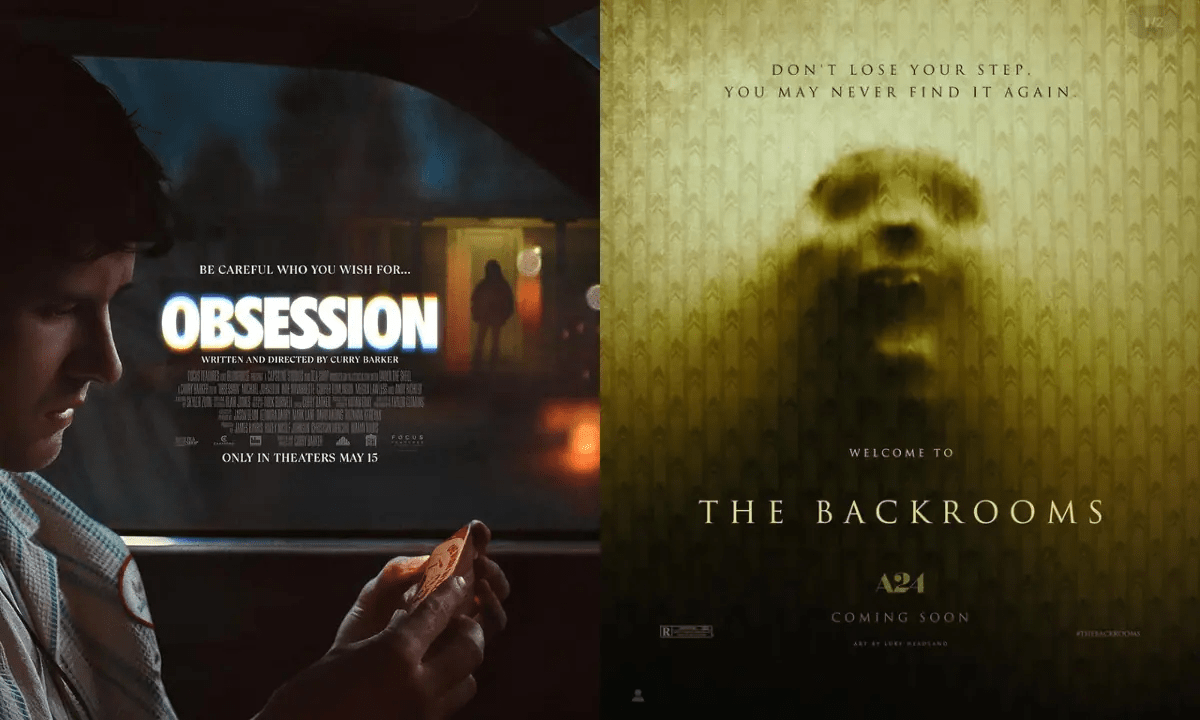
Movie posters for Obsession and The Backrooms
Movie magic is not dead—it is just buried under years of corporate greed and creative cowardice. But as long as young filmmakers are willing to try new things and audiences are willing to support them, cinema still has a future. The only question is whether Hollywood has the guts to make it happen.


