

By Nicole Lee (26S05A), Christian Adriel Tan (26S07B), Tomi Peh (26S06P) and Teng Yifan (26S06H)
A garment iconic enough to be nominated by multiple nations to the UNESCO Intangible Cultural Heritage list, to have been one of Southeast Asia’s oldest existing attire–it’s none other than the kebaya.
Historically, the kebaya was a loose-fitting, tunic-like garment which was worn for everyday occasions. Being knee-length and mostly plain, it proved to be a comfortable and simplistic outfit fashioned from light and airy materials, making it just as common an attire as T-shirts and blouses today.
The Peranakan version of the kebaya, often dubbed as “Nonya Kebaya”, is a ubiquitous symbol of multiracialism in Singapore. It blends influences from both the traditional kebaya from Malay culture, as well as Chinese design patterns, such as embroideries of dragons and other mythical creatures. While still mostly loose fitting, the Peranakan kebaya was slightly shorter in length, extending to just around waist, and was hence fitted with an accompanying Batik Sarong.
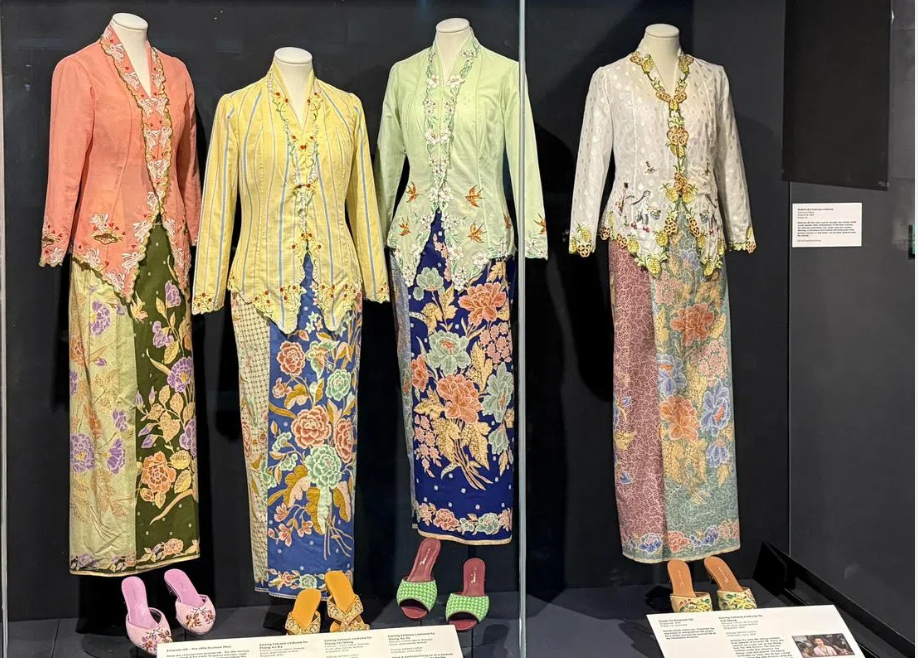
Despite the modification of the kebaya styles in Peranakan culture, the original purpose of the kebaya remained unchanged, in that Peranakans wore kebaya as everyday clothing. Some kebaya were even specially modified and designed to be more visually appealing for special occasions. Before long, the kebaya had already seeped into the cultural identity of the Peranakans, becoming intertwined with Peranakan culture as a whole.
Kebayas are traditionally crafted using a small machine to assist in embroidering the intricate designs onto a plain sheet of cloth. This embroidery is also known as Kerawang, the unique lace-like embroidery that is the main distinguishing characteristic of a Kebaya. Even with the machine, it is still very much difficult, manual work that could take up to several months to complete, depending on the complexity of the embroidery.
Kebayas are also tailor-made to be tight-fitting for the wearer. Afterwards, the front is secured with brooches and pins. The outfit does not end here though, as multiple accessories are to be worn to complete the look.
A traditional bun is paired with a hairclip resembling a flower to keep to the floral theme. Earrings are big and dangly, featuring large gemstones and floral motifs as well. For footwear, Kasut Sulam or Kasut Manek is worn. These are slippers that feature the same vibrant embroidery on the Kebaya, with some that are hand-stitched with thousands of tiny, multicoloured glass to display the pattern.
Despite this, Kebayas aren’t just shiny pieces on display–they’re etched into our memories; you might have seen them at some point, maybe in a local clothes shop or even in one of those fancy shophouses back in Katong. They’re the closest thing we have to a national uniform (other than a Uniqlo t-shirt and neutral coloured shorts).
Kebayas are basically our identity etched in fabric.
Even in the modern era, they’ve helped spread Peranakan culture to the world. Perhaps the most celebrated instance would be the Singapore Airlines uniform; designed by renowned French designer Pierre Balmain in 1972, the two-piece attire pays homage to the intricacy of peranakan fashion through the classic Kebaya cutting, along with elaborate batik prints.
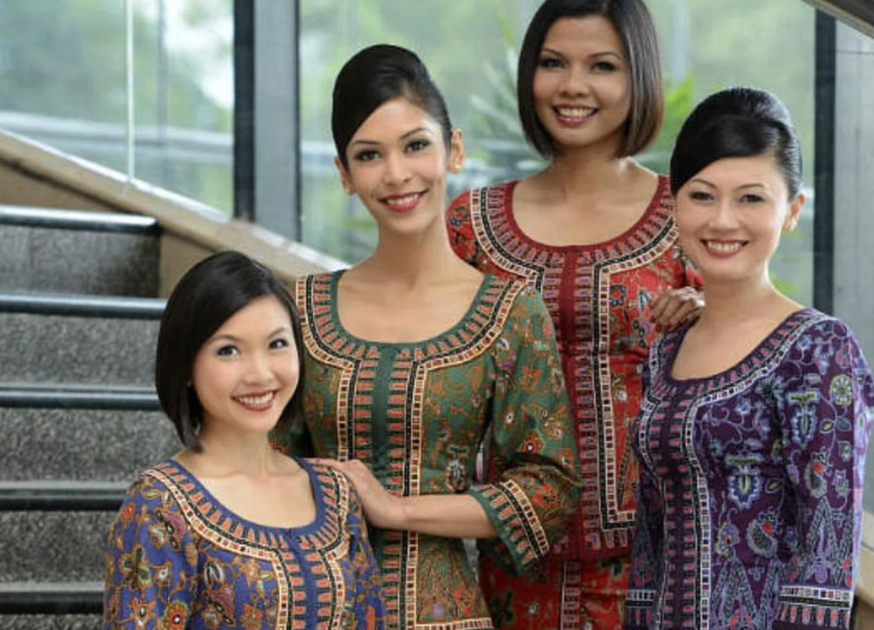
The airline could’ve very well opted for the standard stewardess uniform, but they chose to embrace local culture by commissioning something uniquely Singaporean. Today, the uniform remains a key highlight of Singapore Airlines–despite the ever-changing fashion landscape, it has undoubtedly held its ground as one of the most iconic uniforms in the industry.
Peranakan Culture and The Modern Day Kebaya
Kebayas aren’t just things of the past either, they’re still present in our society right now as a subset of the bigger Peranakan culture.
Thanks to the efforts of various cultural societies as well as the National Heritage Board, one can easily spot Peranakan elements in daily life—Nyonya cuisine, Peranakan style architecture and even schools. However, despite being well surrounded by the Peranakan culture, it remains slightly under-pronounced in our modern society.
Following the westernisation of media and the nation’s emphasis on main ethnicities, the public tends to miss out on the Peranakan sub-culture; albeit the persistent efforts to fully revive the culture, there remains distinct barriers between modern Singaporeans and the past.
Despite this, the endeavour to preserve it continues. Through the kebaya, peranakan culture snags a humble spot in modern fashion, simply by adapting to follow current trends. Thanks to the hard work of our local designers, they’ve evolved from occasional costumes to conventional wear.
The modern kebaya, although not as delicate, retains the signature silhouette of its traditional counterpart. Modern pieces feature a wider range of colours, popular cuttings and most importantly, conventional fabric. Buyers now have a plethora of designs to choose from, without worrying about the classic wear and tear.
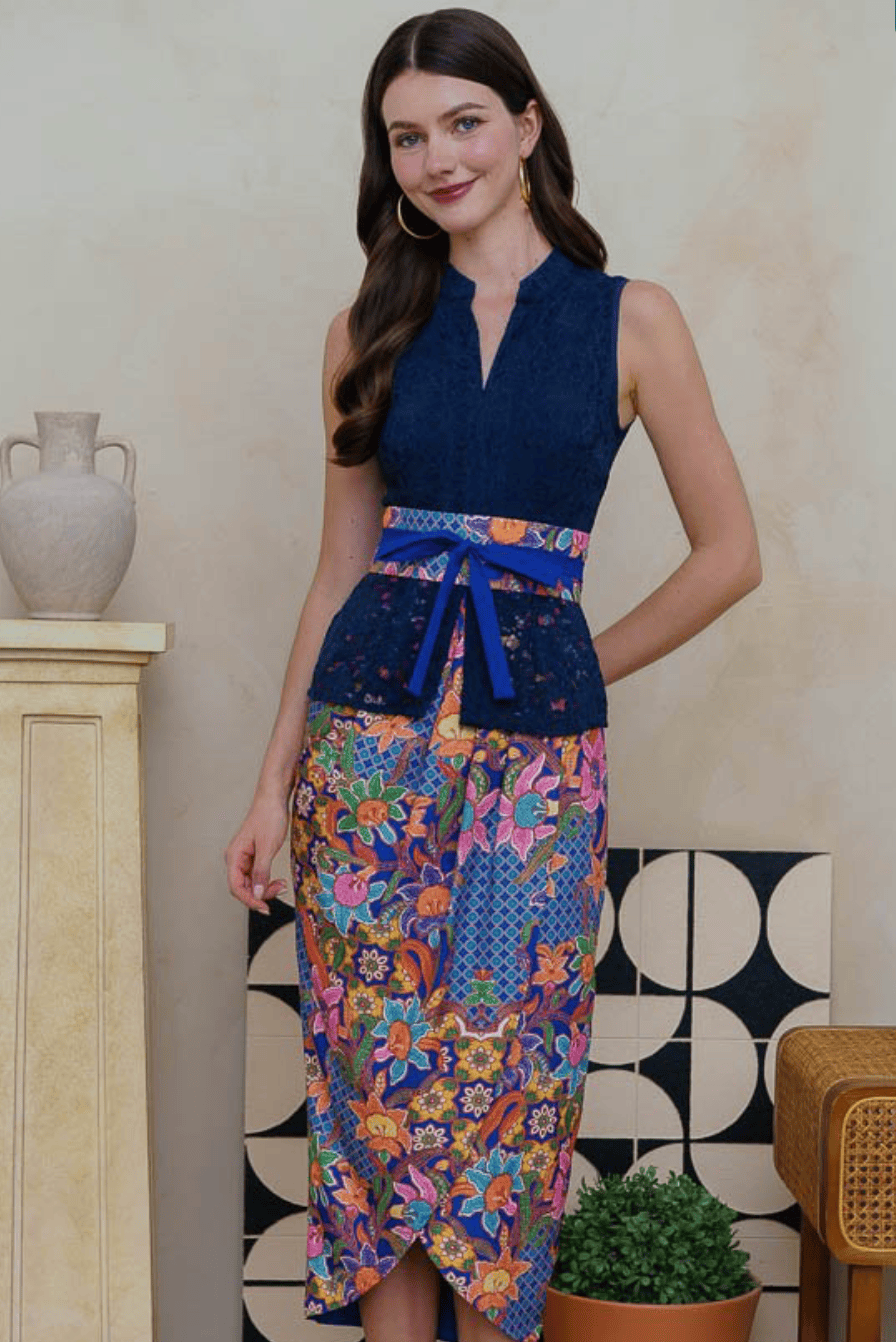
By tailoring the attire to present day needs while preserving its modesty, Singaporean designers have gone above and beyond to keep an indispensable part of fashion heritage alive.
Besides making its way into modern fashion, the kebaya has also been increasingly popularised following greater presence in showbiz. In 2025, Mediacorp launched “Emerald Hill”, a sequel to previous series “The Little Nyonya”, featuring an array of kebaya styles in old peranakan fashion. Naturally, the kebaya played a pivotal role in each episode–with distinct motifs and palettes highlighting the nature of each character and even hinting at their potential fates, the kebaya brought traditional authenticity into the series.
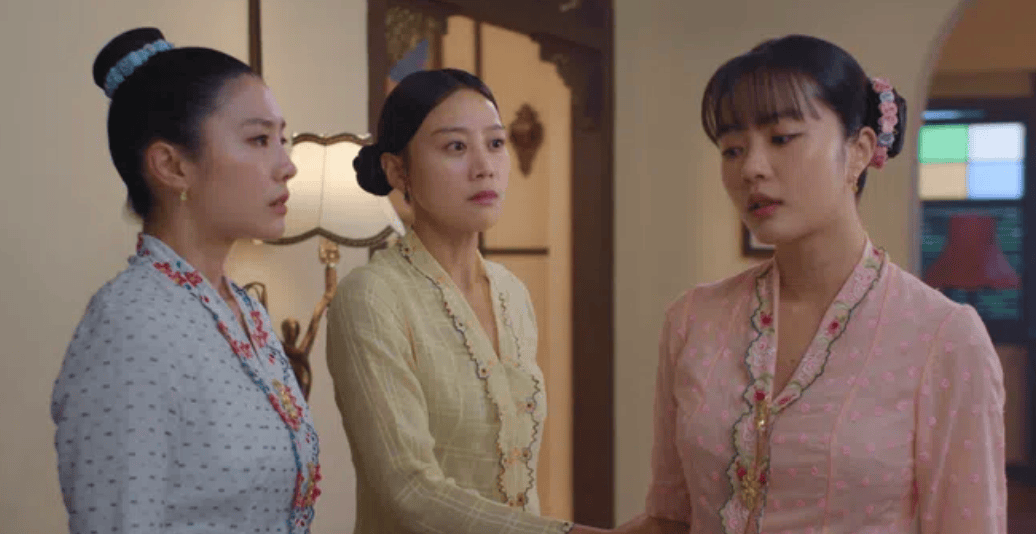
With Peranakan culture made increasingly accessible in Singapore, the Kebaya once again establishes itself as an unmistakable symbol of the Singaporean identity. The kebaya’s more than just an attire, it’s proof of our rich heritage, one that has never truly faded despite all these years. It was made by Singaporeans, for Singaporeans.
So the next time you don a Kebaya, do it with pride.

