

By Jaden Lum (26S05A)
Bieber Fever is back.
In recent years, it’s been suspiciously latent, lurking in the shadows, waiting to break out yet again, and now, out of a desert in California, it’s swept the world once more—this time, in full, unapologetic, RnB-and-pop-entwined force.
For those unlucky (or lucky, if you’re a snob) enough to test negative, here’s the rundown:
Coachella has been no stranger to hosting some of music’s most legendary performances. Whether it was the 2012 hologram that summoned Tupac back to life, the pomp and pageantry of 2018’s Beychella (a portmanteau of Beyoncé and Coachella), or Lady Gaga’s massive, vibrant, stupefying sets just last year, the festival has become synonymous with not just spectacle, but innovation too.
This year, however, was different. Or at least, for one of the headlining acts, it was.
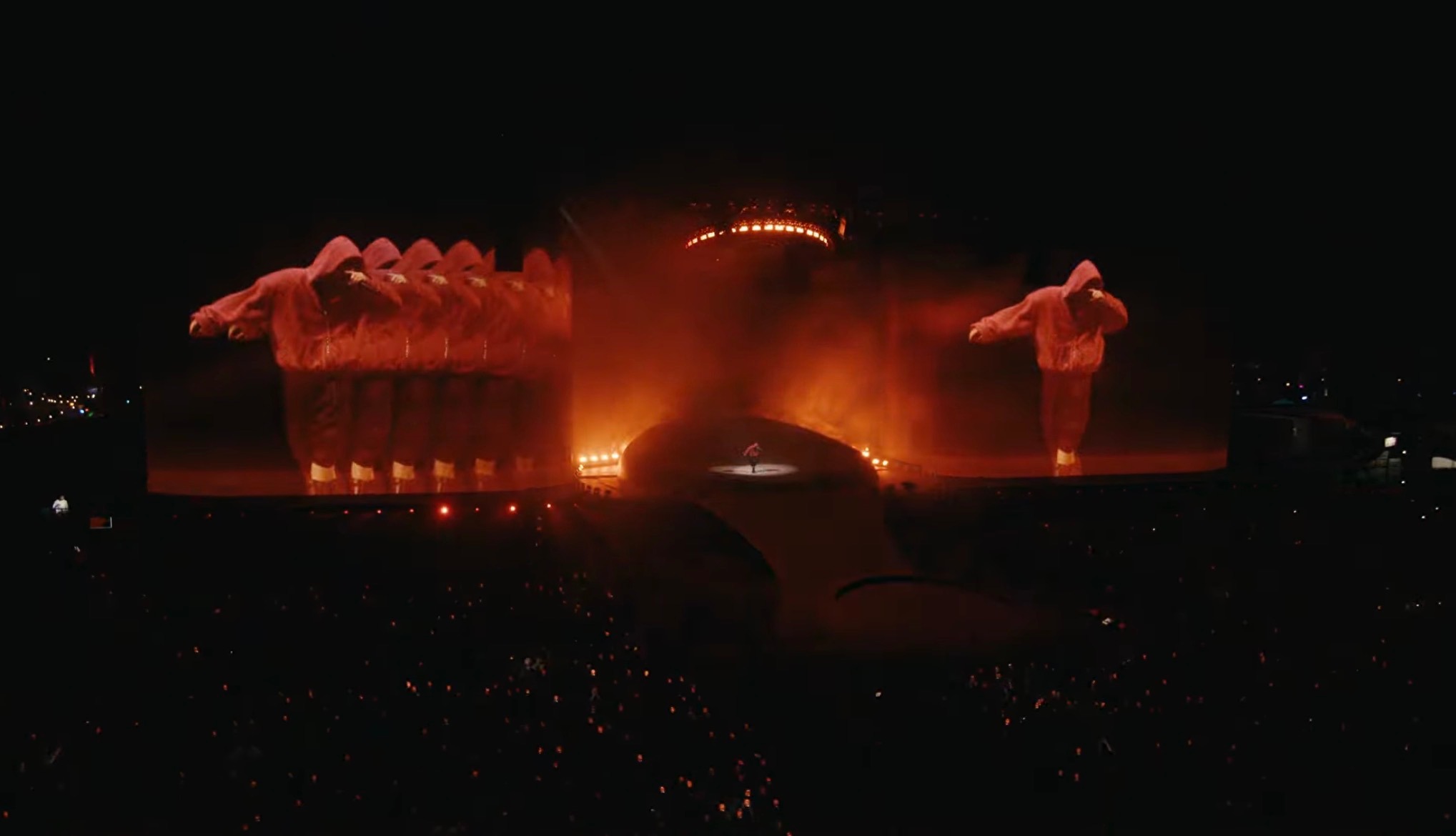
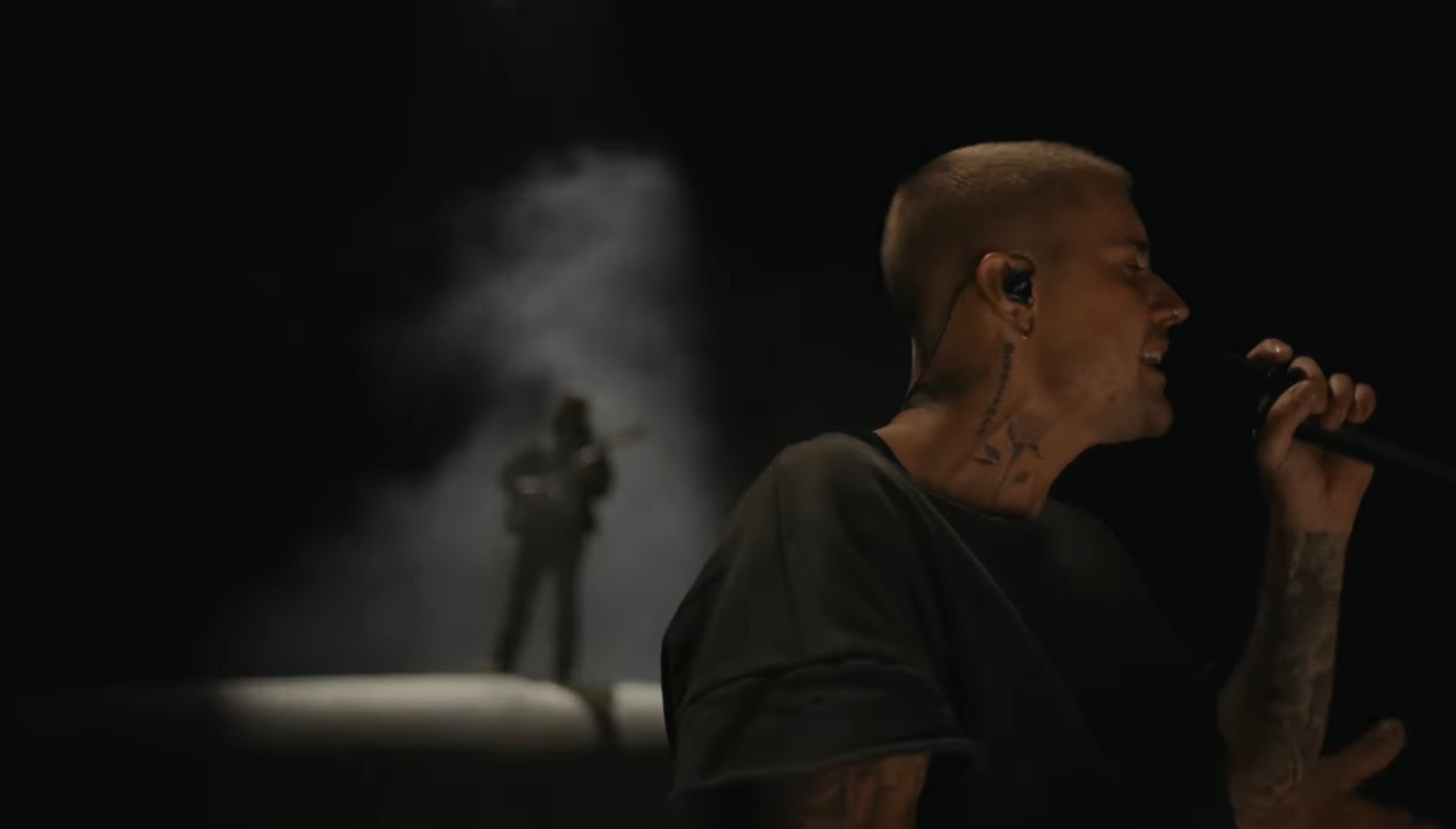
On Coachella’s first weekend, when Justin Bieber finally emerged, there was a glaring lack of, well, anything. Unlike his co-headliners—both Sabrina Carpenter and Karol G committed to maximalist choreographies stuffed with costumes, dancers and ornate sets—along with virtually every other prior headliner, Bieber’s performance was, for the most part, just him. Alone on a 100-metre-wide stage, buried under a bubblegum-pink hoodie and shrouded by a fog of lights, he would present to the crowds nothing more than himself and his sweet, breezy, buttery-smooth voice.

Tracks from “SWAG” and “SWAG II”, his latest releases, were first to greet the audience’s ears. Oozing out of the speakers came “Speed Demon”, “Go Baby”, along with an acoustic rendition of “Everything Hallelujah”, in which he gave thanks to just about everyone, and everything, in his life.
Then there was the pivot. Laptop in hand, Justin Bieber addressed the elephant in the room: his old songs. Scrolling through the endless pages of YouTube, he transformed Coachella into a karaoke bar, singing along with the crowd to the music videos of “Baby”, “That Should Be Me”, “Beauty And A Beat”, and more. A return to “SWAG” capped the day off, with “Daisies” closing out as fireworks electrified the night sky.

But when the curtains closed, audiences were split.
On one hand, many couldn’t fathom that a Coachella performance was like this. Were fans “scammed” by a performance so “underwhelming”? Could an “underproduced” one-man show even have anything artistic to say? And why were only male artists able to get away with such “laziness”?
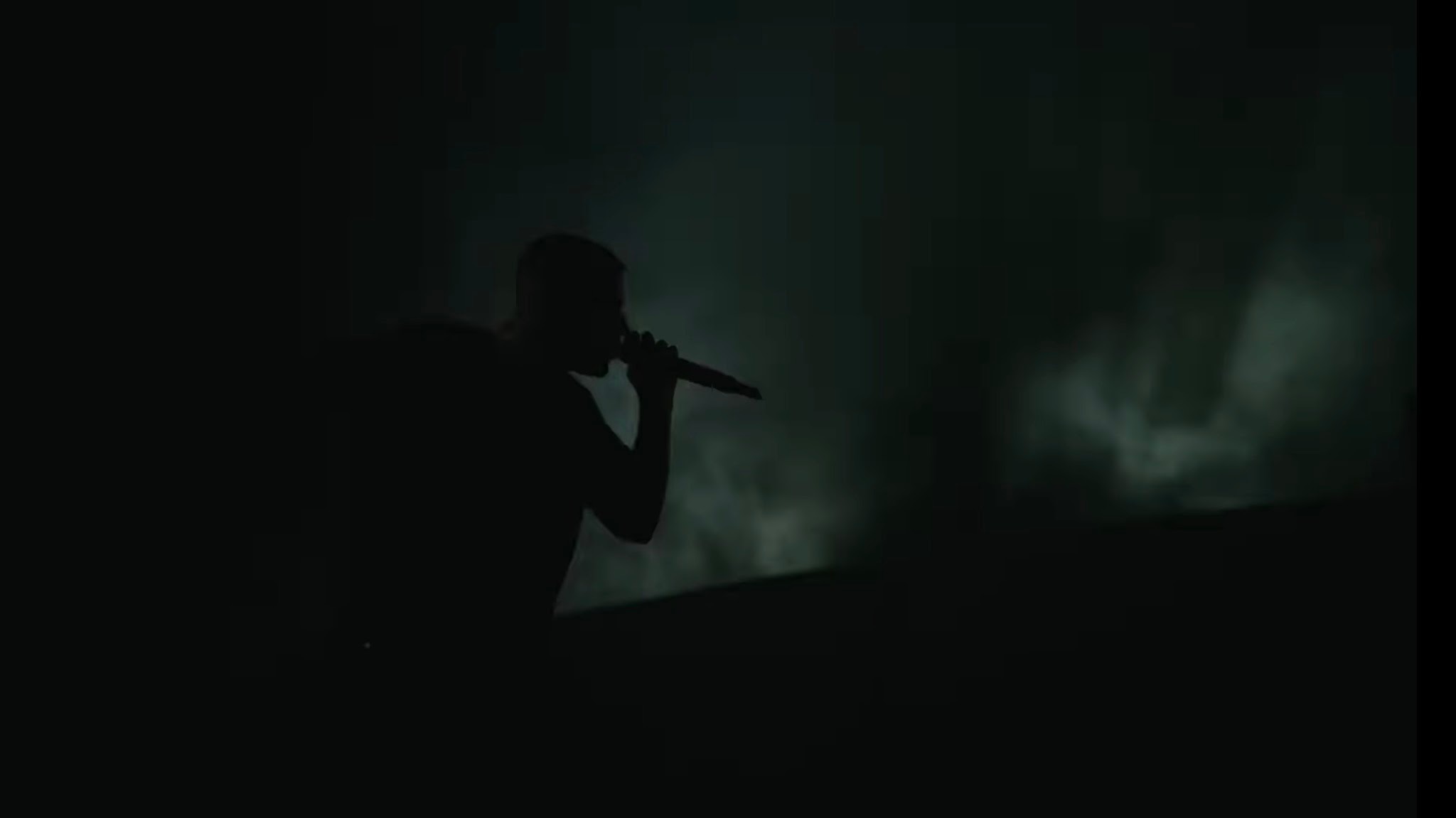
Yet, on the other hand, it’s hard to argue against numbers. Two weeks after the end of Coachella, Justin Bieber would return after 5 years to reclaim his throne as Spotify’s top global artist. Clearly, his show had struck a chord.
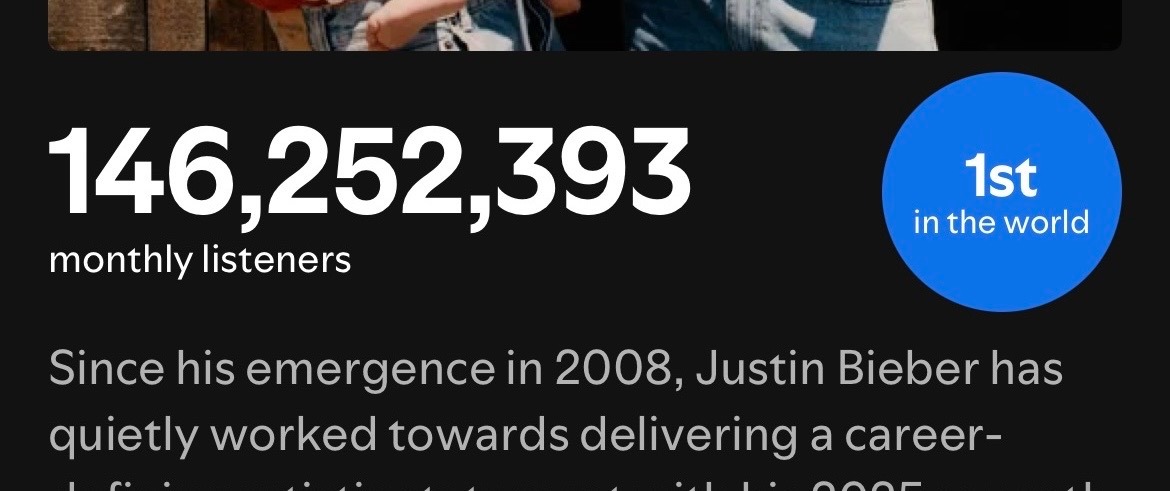
Coachella, though, wasn’t the first time Bieber had pulled off such stunts. During the Grammys earlier this year, he appeared on stage to perform “Yukon”, with his gear stripped down to the mere essentials: a pedalboard, a guitar, a sampler, and a pair of white boxer shorts.
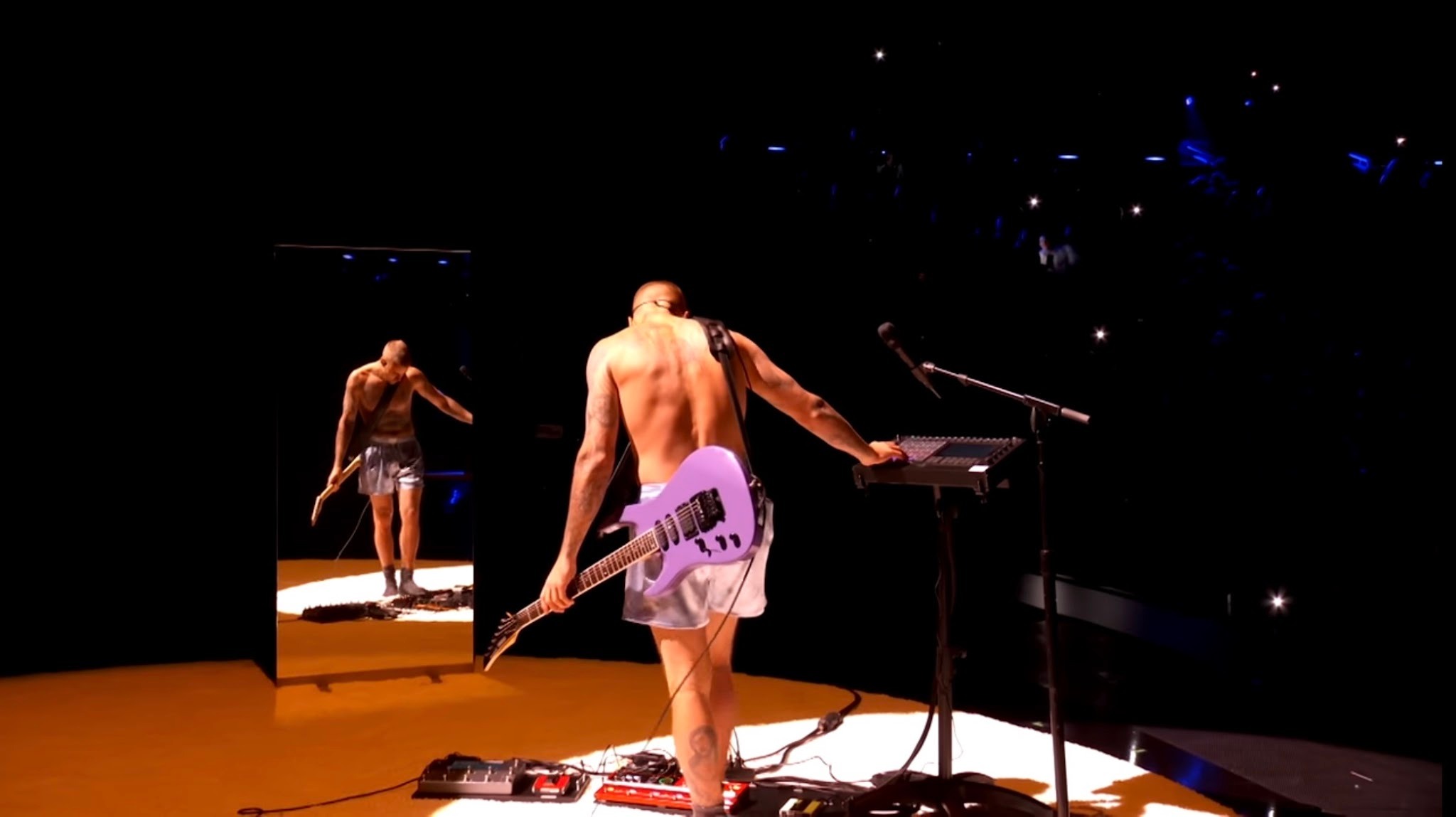
And off-stage, within the confines of a recording studio, the seeds of his defiance were already being sown. For all the flaws “SWAG” and “SWAG II” have, they are by far the most raw, authentic additions to his discography yet, with Justin further deconstructing his sound and diving deeper than ever into alt-RnB.
But right before all this, there was that paparazzi confrontation. The one in 2025, where he, in a moment of pure exasperation, uttered that infamously wacky permutation of words:
“It’s not clocking to you that I’m standing on business!”
In the now memed-to-death clip, he appeared utterly exhausted—the seeming culmination of two decades of superstardom taking its weighty toll.

With drug addictions, health scares, and run-ins with the law, an intensely scrutinized marriage and parasitic paparazzi, few have been better poster boys for the dark side of fame than Justin Bieber.
After his meteoric rise as a teen idol lifted him and his family out of poverty, he was immediately lambasted with immense vitriol by the public. In return for “Baby” commanding radio play worldwide, everything about him, from his moptop hair to his sexuality and masculinity, went under the guillotine of a bloodthirsty Internet. Hating a teenage singer had become the hottest bandwagon in town.
Meanwhile, Justin’s entourage, who was meant to shield him from the pressures of celebrity culture, only made things worse. His adolescence was spent isolated from his peers, in corporate boardrooms filled with adults, whilst in his 20s, he was trapped in a bubble, with yes-men enabling his increasingly reckless, “bad boy” lifestyle.
It seemed he was going down the same route as countless others. Michael Jackson. Britney Spears. Rudy Garland. Stars whose childhoods were robbed by the industry, whose success gnawed at their health and sanity, whose light fizzled out with dangerous, and sometimes downright illegal, coping mechanisms meeting them at the end of the cul-de-sac.
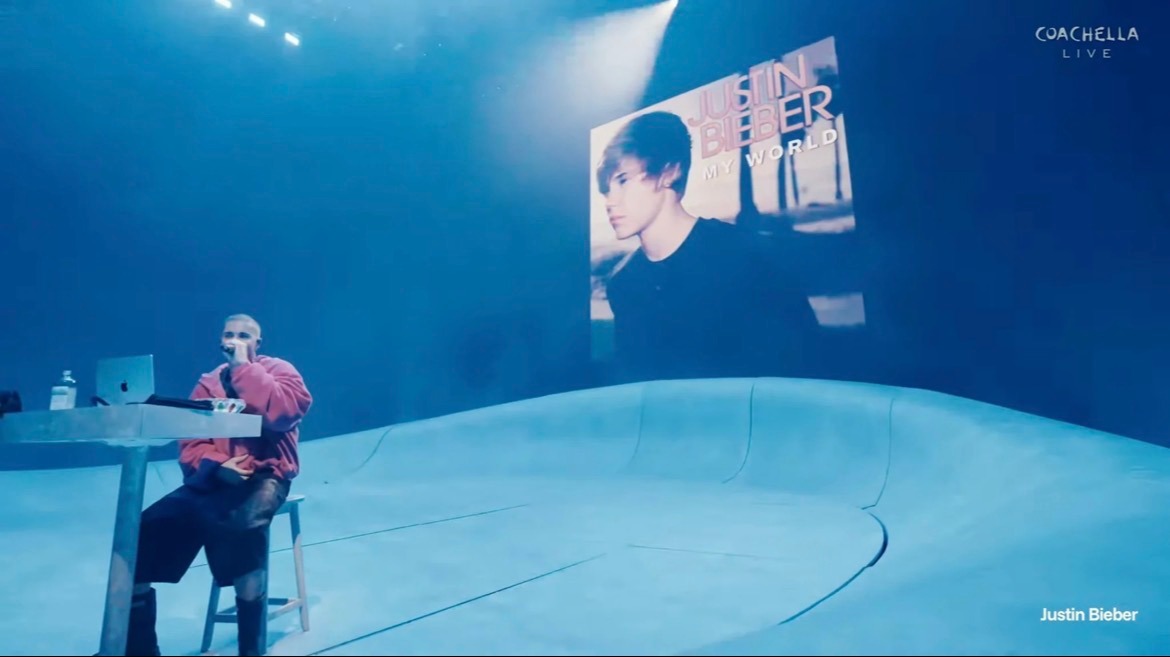
But with Coachella, the Grammys, and “SWAG”, Justin Bieber proved that his story would not parallel theirs. In fact, when viewed from afar, Coachella felt more like the climax of a two-year-long transformation than anything.
By doing away with the standard flashiness of a Coachella performance, which was already a staple of his earlier career, he finally trampled on what the industry and public demanded from him, shedding the last vestiges of his reputation as a manufactured, overly-polished pop product.
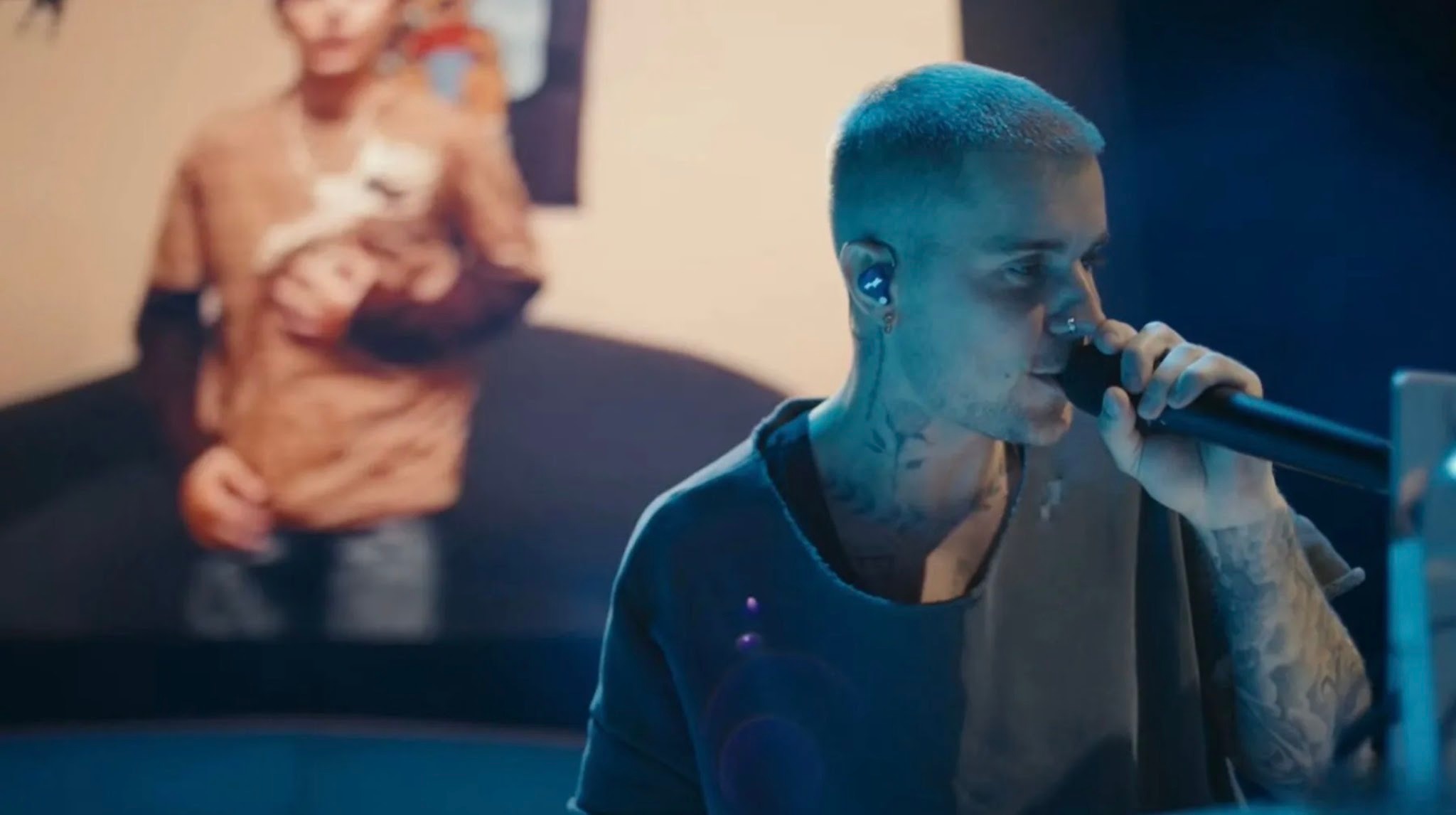
But once he logged onto the platform which, years ago, kickstarted his career and began reminiscing to old songs and old footage, he showed that this performance wasn’t an outright rejection of his legacy, but rather a simultaneous celebration of his present and his past.
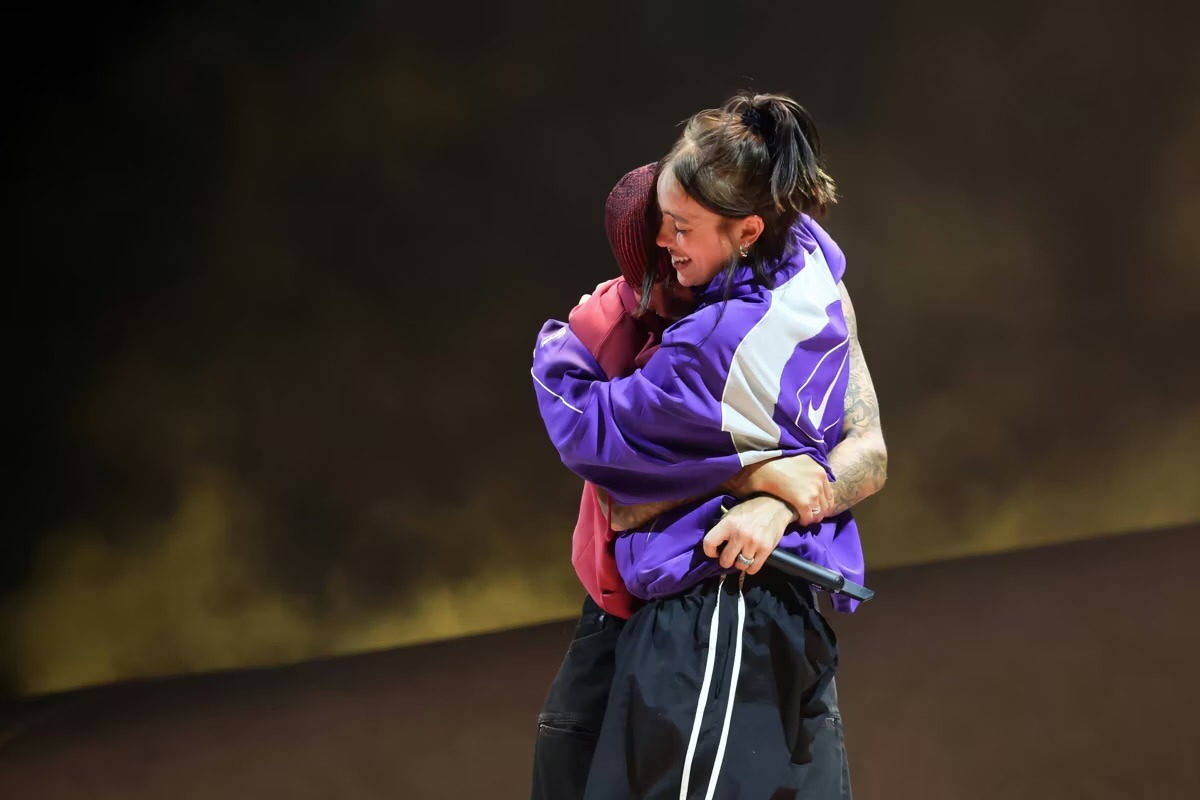
This was validation for the Beliebers in the crowd too. Whilst not everyone got the opportunity to be serenaded during “One Less Lonely Girl” (that honour went to Billie Eillish), Coachella was, in the end, not only a cozy hangout with their favourite singer, but also just as much a healing of their own inner child as it was a healing of Justin Bieber’s.
Live on stage, as his cursor clicked on a video of the aforementioned paparazzi incident, he began recreating his viral moment. “It’s not clocking to you,” he nonchalantly repeated after himself, loudly and proudly seizing back the narrative.
For the first time in forever, Justin Bieber was free to display to the world who he really was under the icon: a father, a husband, an artist and a human being.
So yes, it’s finally clocking to us.

