

By Tan Yan Qi (26S06M)
If you asked me two years ago about where my CE01 project would go, I never would have been able to guess that we’d be doing what we are now.
Project Oopsie Daisy started out as a simple VIA which aimed to promote horticulture as a method of improving mental health. Fast forward to Year 5, downsizes in the core team left only 5 members: Alice Chen Anhan (26S03L), Cecilia Wong (26S03K), Jyoti Adithi Narayanan (26S06M), Looi Ee Xin (26S06M) and me.
I vividly remember how the search for a partner organisation went back then. We sent emails to community organisations (the usual targets), hoping to expand our range of beneficiaries beyond children, and somehow landed up on the Institute of Mental Health (IMH) volunteering website.
“Why not?” was the general consensus when we reached out to IMH. To be honest, it seemed rather laughable that we were even trying, but it was a last-ditch attempt after failing to hear back from our other prospective partner organisations, and there was no harm in trying, right?
Less than a week later, we received a reply. And thus, we started our volunteering journey at IMH.
It’s not what you think it is
Mental health is all the talk in the 21st century. And as young 17-18 year olds navigating the complexities of teenage life, it can be a tricky subject to discuss. For most of us, we have only scraped by the surface of what mental health truly is about.
Ask anyone about mental health, and the first thing that comes to mind might be “depression” or “anxiety”. Talk about IMH, and the first thing that comes to mind might be “insane people”.
As much as we as a society laud our progress in de-stigmatising mental health issues, the truth is that we are far from it. While recent progress has opened doors for conversation on mental health, few know what happens behind the closed doors of what IMH and similar institutes do. For many, our understanding of mental health is heavily limited by personal experiences, the experiences of the people around us, and media depictions of mental health.
Even as we informed our CE01 mentor that we planned to volunteer at IMH, there was an evident worry etched between her brows, and understandably so. Filling up the Risk Assessment and Method Statements (RAMS) form for the project was quite the terrifying task, and it was quite a wonder how it was approved given the stakes.
Sink or swim
Project Oopsie Daisy ran sessions in-ward, conducting small horticulture activities such as simple garden maintenance tasks and leaf art. Our sessions were run under the guidance of Phillip Lee Pak Phi, who manages IMH’s therapeutic horticulture programmes.
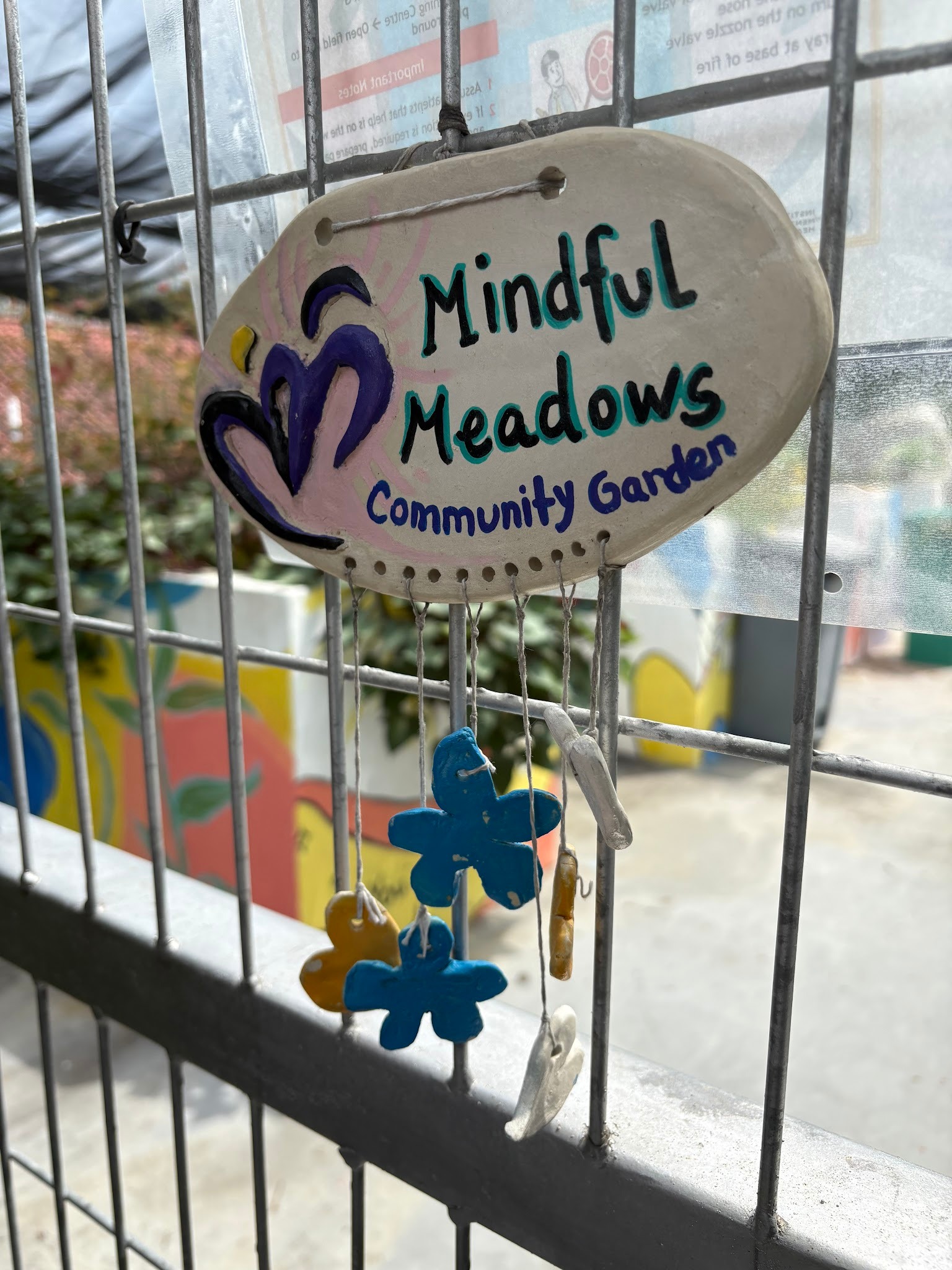
I still remember the first session we had at the Early Psychosis Intervention Programme (EPIP) ward. We were warned beforehand, by Phillip, that he preferred to “throw his interns into the deep end” and let them sink or swim.
And that was exactly the experience we got.
There truly was no saying what to expect. In all honesty, we had little knowledge of what we were getting into. And, while in hindsight, this was one of the few times where being clueless was for the better, at that moment where we were rushing all over the place, trying to get the session going, I had never truly seen a more chaotic scene in my life.
Yet, in a painfully ironic juxtaposition to our panic and chaos, our session participants watched us with seemingly disinterested faces, quietly following the instructions of facilitators who didn’t seem to know what they were doing.
A big part of learning to work with the patients was being able to manage expectations: of the kind of feedback (or lack thereof) that we would receive, and of the number of participants we got in a session. Sometimes we’d start out with six participants, only for them to slowly drop off mid-session, until we were only left with two at the end. Other times, we’d have participants who were extremely engaged in the session, holding friendly conversations with us while gardening.
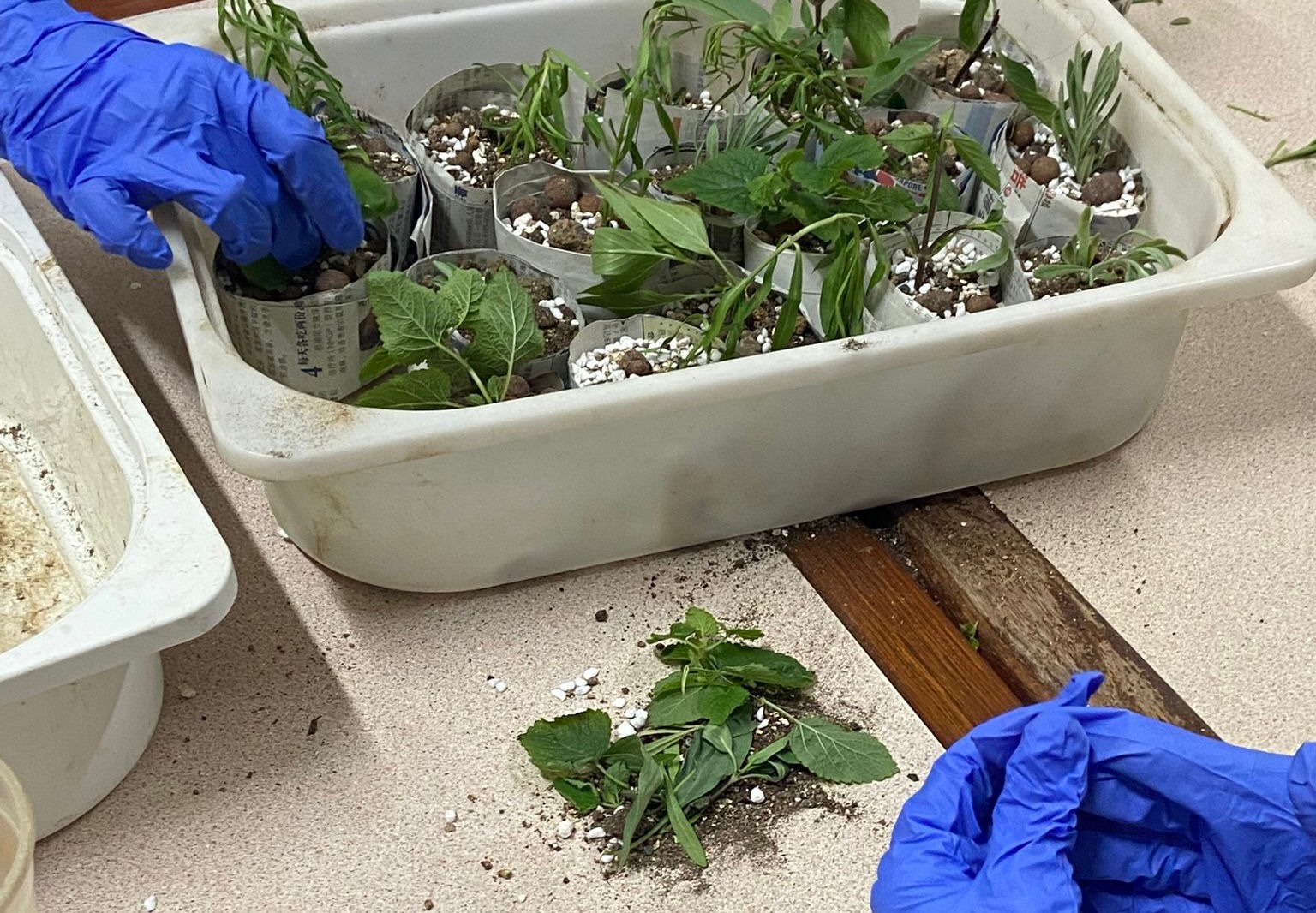
Every session was a new experience. One session could leave us feeling high in spirits and proud, and the next could end with a somber silence that was uncomfortable to sit with.
We often hear of people describing “a sense of fulfillment” as what motivates them to volunteer, whether it be seeing how their work contributes to actionable change, or just seeing the smiles on the faces of the people they’re helping.
This “sense of fulfillment” was difficult to find in IMH. The truth is, the “success” of a session was difficult to determine solely based on the atmosphere, which left us with little to work with.
After one particular session where the mood was visibly down, Phillip told the team something that would completely change how I viewed future sessions.
Sometimes, when patients look disinterested, he said, it’s not necessarily because they find the session boring. It was then he gave us an important reminder: the people we interacted with were often dealing with their own inner battles, and that meant that they were not always able to concentrate fully on what was in front of them.
Looking back, my expectations going into this volunteering project with IMH were defied and met at the same time. I cannot deny that some of my worries did come true, but there were also so many new experiences that I could never have expected, and so many new connections that I never thought I’d form.
Mental health does not discriminate
Over the course of the year, we went from general acute wards, to the Early Psychosis Intervention Programme (EPIP) wards, to the Mood Disorder Unit (MDU), to the National Addictions Management Service (NAMS) wards. Even within each ward, there were people of varying ages and backgrounds, from adults with careers to teenagers who were still in school.
As we rotated through different wards, there were almost always fresh faces at every session. For us, as students, the EPIP ward was always the ward we were most excited to visit, and also the most frequent one. They were the most similar to us—in terms of age, interests and communication styles. And, for all the worries about not being able to connect with them, it was surprisingly easy to do so.
But even though we went back to the ward biweekly, there were few familiar faces. It was always a bittersweet experience to hear of patients who’d been discharged, hoping that we wouldn’t see them again as we knew it meant that they’d gotten better, and were ready to return to the lives they had before being admitted.
There’s still a long way to go
“I believe in a universe that doesn’t care, and people who do.”
Angus, Night In the Woods
The universe may be indifferent to the ups and downs in our insignificant lives, but it is the people who show kindness and empathy who make even the toughest struggles survivable.
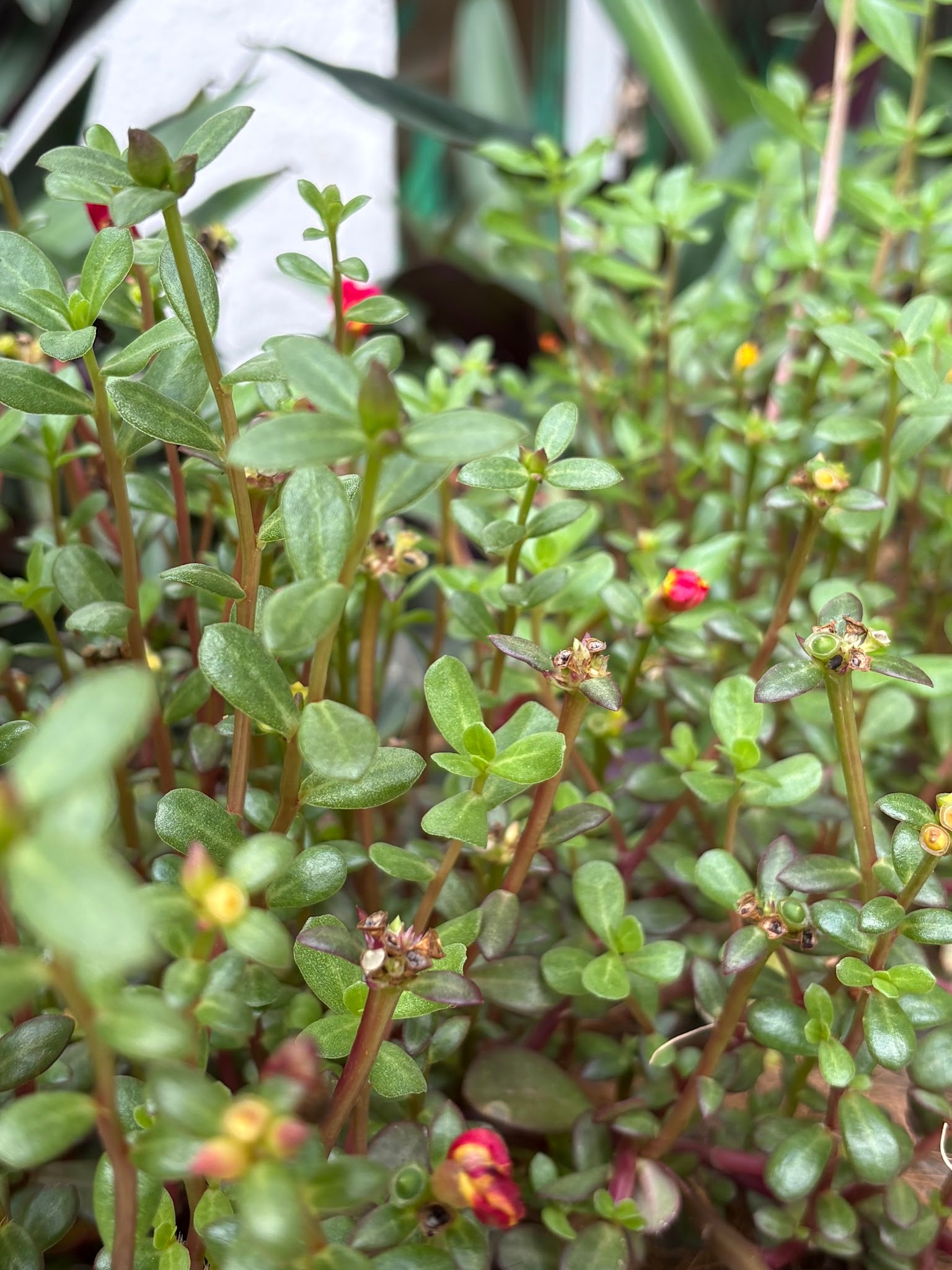
While this project may be coming to a close, we are all aware that it is far from the end of our journey with mental health. And for anyone who may be struggling, know that there are always people around you that you can reach out to.
IMH has an array of volunteering programmes besides therapeutic horticulture for those 17 and above. Click on this link for more information.
Mental health hotlines
- National mindline: 1771
- IMH Emergency Helpline (24h): 6389 2222
- Samaritans of Singapore (24h): 1-767 (1-SOS)


