

By Nicole Lee (26S05A)
There’s a sad truth for all indie listeners – there’s only a small, if not, near non-existent fandom for the music we listen to.
You’ve probably already heard of the term ‘indie’, but let’s revisit it:

Indie artists are predominantly independent labels; they’re groups of talented people trying to get their music out into the world, hoping that it reaches the ears of listeners across the globe. Although, the outreach is often limited, with the indie genre eventually being coined as ‘niche’.
Beneath all the music lies layers and layers of edited orchestra or soundtracks, coupled with heavily revised lyrics; indie artists probably work just as hard as the global favourites, yet their efforts are often met with little returns.
In short, I believe they’re underrated.
The Indie Genre
Before we can understand the issue, we must first examine the very source which is, in this case, the genre itself.
What can the Indie Genre even be about?
Beyond all the independent label, non-popular music only, needs-more-hype descriptions, it can also constitute for very specific types of music – not the usual beats and melodies we’re accustomed to. Something more…raw, with a bit of a personal touch mixed in. It’s a collection of various sub-genres too small to represent themselves.
Take for example, pop, rock, jazz etc., all with the term ‘indie’ in front. It stems from the common idea of artists making music they like, less of what the general audience demands.
The result? Music with a unique twist, catering to those whose tastes happen to align with the artists’.
What are these unique twists? They refer to a wide range of modifications artists make to their music, as they enjoy the freedom of self-production. These can mean experimental instrumentals (see what I did there), unorthodox song structures, and even fusion between sub-genres.
Artists can express themselves however they like in their music, with the audience in turn having a large variety of music types to pick from. And I think that’s the best part of the Indie Genre – no restrictions, no fixed categories, no standard template.
Just pure creative freedom.
(Special thanks to the redditors for fueling this train of thought)
The nature of the Indie Genre
Why then, is the Indie Genre overlooked? I have an idea, one that you may not like: Economics (Syllabus 9570).
Please don’t scroll.
I believe that this whole phenomenon boils down to the lack of resources available to independent indie labels, which also happens to be covered under economic terms. To all the luckier non-econs takers, I’m about to cover a rather traumatic segment of this subject; As for my not-so-lucky peers, allow me to take you through once again, Market Structures.
- Low Barriers to Entry
Everyday, we observe the new release of up to 120,000 songs via streaming services. The market for music is boundless, but also saturated with a wide range of products. With so many options at hand, it’s almost impossible for the average user to come across an indie song, much less stay long enough to appreciate its full length.
This is a result of low barriers to entry, where new entrants require little to no start-up costs; thanks to modern technology, everyone has access to loads of free instrumentals, samples and soundtracks. There’s no need for physical costs too, since by now most mainly rely on online streaming services such as Spotify to distribute their music to the global audience.
An industry with low barriers to entry may seem appealing to entrants due to its low risk, but it may hinder firms- I mean, indie artists, from allowing their songs to stand out from the rest. Beneath all the other releases, listeners may fail to notice any hidden gems.
- Market Dominance
I remember having fought hundreds of thousands for one ticket to the Era’s Tour concert; A minute later and I would’ve lost out on the snatching war. The venue was truly grandiose, the event itself was a spectacle, perhaps even the peak of pop stardom. Within hours, I’ve seen countless outfit swaps, state-of-the-art audio visuals, and of course the army of background dancers swarming the stage.
But that’s just another concert to Taylor and her team–with market dominance comes ample support, be it in the form of subsidies or personal publicity.
How exactly is she dominant in the market?

First of all, she has a very large, if not the largest, fanbase – one of the common traits of a dominant firm, a stable consumer base. Any form of music she pushes out is almost sure to climb the charts as Swifties devote themselves to the cause of spreading the goodness of her songs.
Next, we can take a look at her market share: She currently holds 2% of the US music industry shares, which may seem rather underwhelming at first, but bear in mind that’s a lot in comparison to scale. If we were to be more specific and digress into the general structure of the market, the music industry in the US can be classified as an oligopoly with the Universal Music Group capturing the largest share of 33.90% – no surprises, Taylor’s under the label too.
So what’s the point of dominance over the market?
This is where we branch out to the internal economies of scale (better known as iEOS). Taylor’s got a huge marketing advantage as she leverages on her well-built reputation to promote her music to a larger audience worldwide, all while enjoying financial benefits.
In a bid to promote Singapore through music tourism, our very own tourism board invested in the Era’s Tour to be exclusive to us in our region, drawing in heaps of concert go-ers and ultimately, revenue. Taylor and her team had been subsidized, effectively bolstering any costs that may arise as a result of the six-night long concert.
But enough with the concepts, let’s get back to the main idea: Indie artists don’t have what dominant artists have. Without the backing of big labels, they struggle to promote themselves to a wider audience, often failing to finance their music career long enough to make it big.
They’re fighting to stay afloat, much less get past the big names to make it to the worldwide audience. Their share of the market pales in comparison to other large artists, as they struggle to keep up in the fast-paced music industry.
Indie artists who’ve made it big
Before this article converts into an academic paper, I’d like to bring us to a rather light-hearted segment: artist recommendations. So far, we’ve only been discussing the issue of the lesser known nature of the indie genre.
However, there’s been a noticeable influx in subscription rates towards indie artists as the genre itself is starting to gain traction among younger generations. From Instagram audio features to full-blown edits of indie artists, we’re picking up on otherwise ‘niche’ music, incorporating them into our daily playlists and recommendations. If you’ve been checking your socials or doomscrolling in the middle of the night (like me), chances are you would’ve come across at least one or two indie songs. That just goes to show how much the indie music fanbase has expanded in recent years, granting some artists a path towards global stardom.
I’ve got a few examples on my list of artists here, some of whom you may recognise too:
- Malcolm Todd

Very fun guy. I love each and every album he’s put out thus far– while he’s already signed to the Columbia Label under the Sony Music Entertainment Group, it’s notable that he started out in the bedroom pop scene. Malcolm’s songs are known to have an original feel to them, where he blends bedroom pop with alternative R&B to achieve a groovy, homely vibe in his songs.
I’m still unable to come up with an accurate description of his music; it’s not something to be described, but rather felt. There’s the wild and carefree beats, coupled with occasionally sombre and emotional lyrics. You could catch his best works in his breakthrough album ‘Sweet Boy’, where he released several hits including the songs ‘4Me 4Me’ and of course, ‘Sweet Boy’.


I believe this album best captured his style, and it seems that it’s widely loved too; Malcolm started gaining traction through his viral success on platforms like TikTok, where users started discovering his music through popular audios, prompting his gradual success as he joined the Columbia Label in 2023. People are starting to pick up on his music, and I hope that he gets the recognition he deserves.
- The Marias

The Marias are a rather diverse band–it’s led by lead vocalist Maria and drummer Josh, hailing from different parts of the globe. They’re completed by a band of close friends, on the guitar, keys and the trumpet.
Again, I can’t describe their music; you’ll have to listen to it to understand. But I will, nonetheless, try (in a flimsy attempt) to sell their songs. Let’s bring up another album to get a good picture of their style: Submarine.


This is unlike any other album–you don’t have to engage in a round of ‘roulette’ hoping to land on a good song. Every song is good (at least to me.) I’d never expect a midnight scavenge through my fridge to turn out so whimsical, or my second supper of the night to be so delectable… like their discography.
The album consists of funky jazz fusions that produce a smooth yet dreamy feel, perfect for rainy evenings or sleepless nights. The band somehow fuses a plethora of beats with groovy melodies, with each song boasting a unique set of instrumentals and tempo. Enough glazing– if you’re looking towards exploring something new, you should definitely give The Marias a go.
(For starters, I recommend the fan favourites: “No One Noticed” and “Sienna”)
- The Strokes
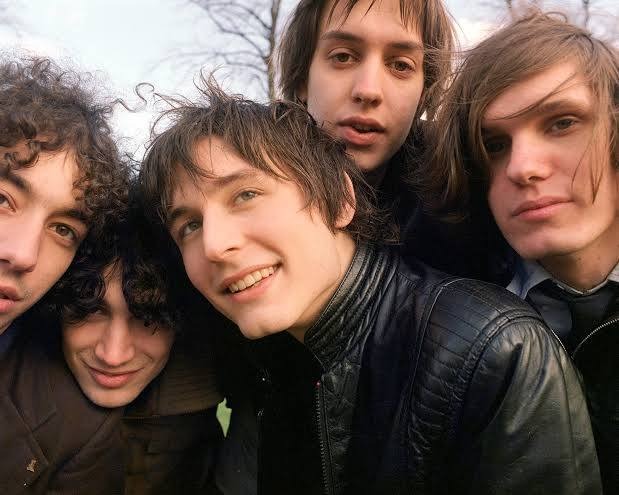
Big, big influential band that peaked in the 2000s. The Strokes single handedly revived the 1960s garage rock genre following the release of their hit song “Is This It”, earning their spot on the Indie Hall of Fame. Throughout their career, they thrived on the wild and indifferent image they had–teens will be teens. Despite giving audiences the inherent impression of “not caring” and “doing whatever they want”, the first few albums of The Strokes drew in lots of attention.
Allow me to serve you the usual: an album recommendation. For The Strokes, we’ll be taking a look at one of their earliest albums, Room on Fire (2003).


11 songs, close to half an hour of bliss. Catch the band’s distinctive percussion marked with occasional yet powerful guitar solos, accompanied with raw vocals. Their songs observe a steady flow of beats and background instrumentals, keeping a consistent pace that fans just can’t get enough of.
The band triggered a recruitment war between labels when they were starting out, ultimately settling with RCA record labels. They made a great run with successful albums and sold out concerts, although some internal conflict led to an eventual decline in their performance and popularity. The band was revived in 2020 after the release of their album “The New Abnormal”, featuring hits like “The Adults Are Talking” and “Selfless”.
If you’re a rock enjoyer, go check them out.
- TV Girl
Wait, wait, hear me out. TV Girl, despite the explosive popularity, remains an indie band.
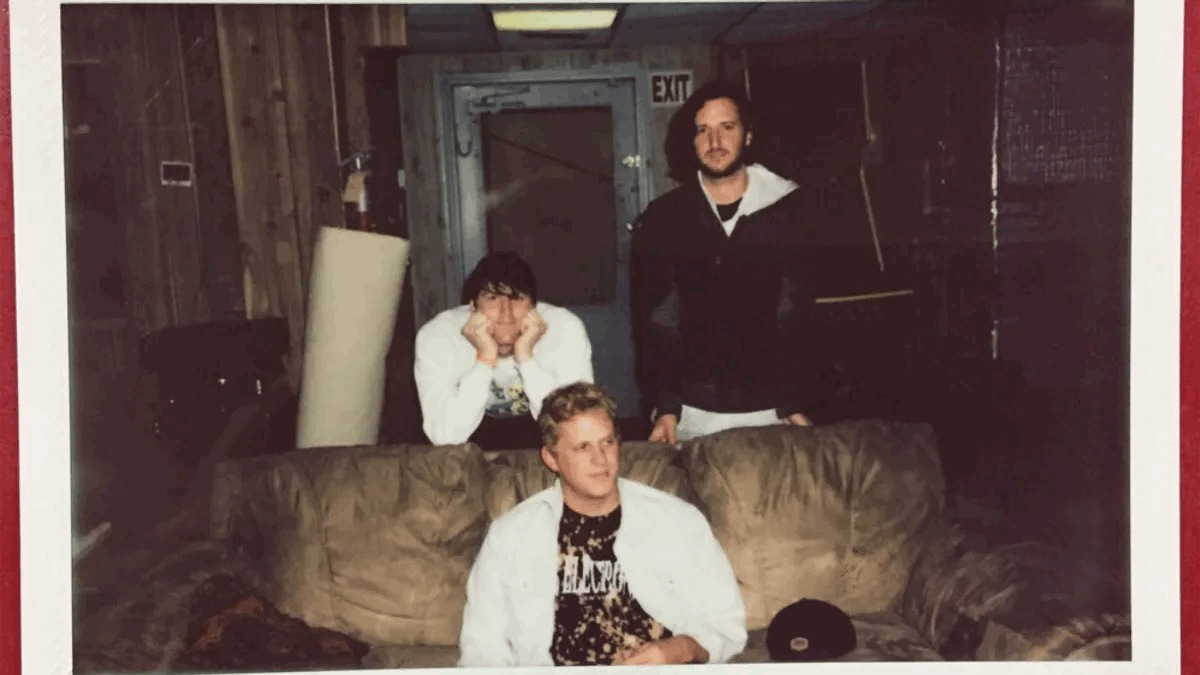
Don’t be fooled by the name– TV girl is an American-based indie pop band consisting of 3 musicians (all male), debuting in 2010. Around 2014, they released their hit album “French Exit”. You’ve probably heard of the song “Lovers Rock”, but have you delved into the rest of the album?
Great way to start tuning in.
The band draws inspiration from vintage films and existing samples, drawing out a rare nostalgic feel from their songs. They drew a large number of fans through platforms such as TikTok, as their songs took off during the pandemic period.
The band recently held a concert in Singapore, drawing in massive crowds of devoted listeners.
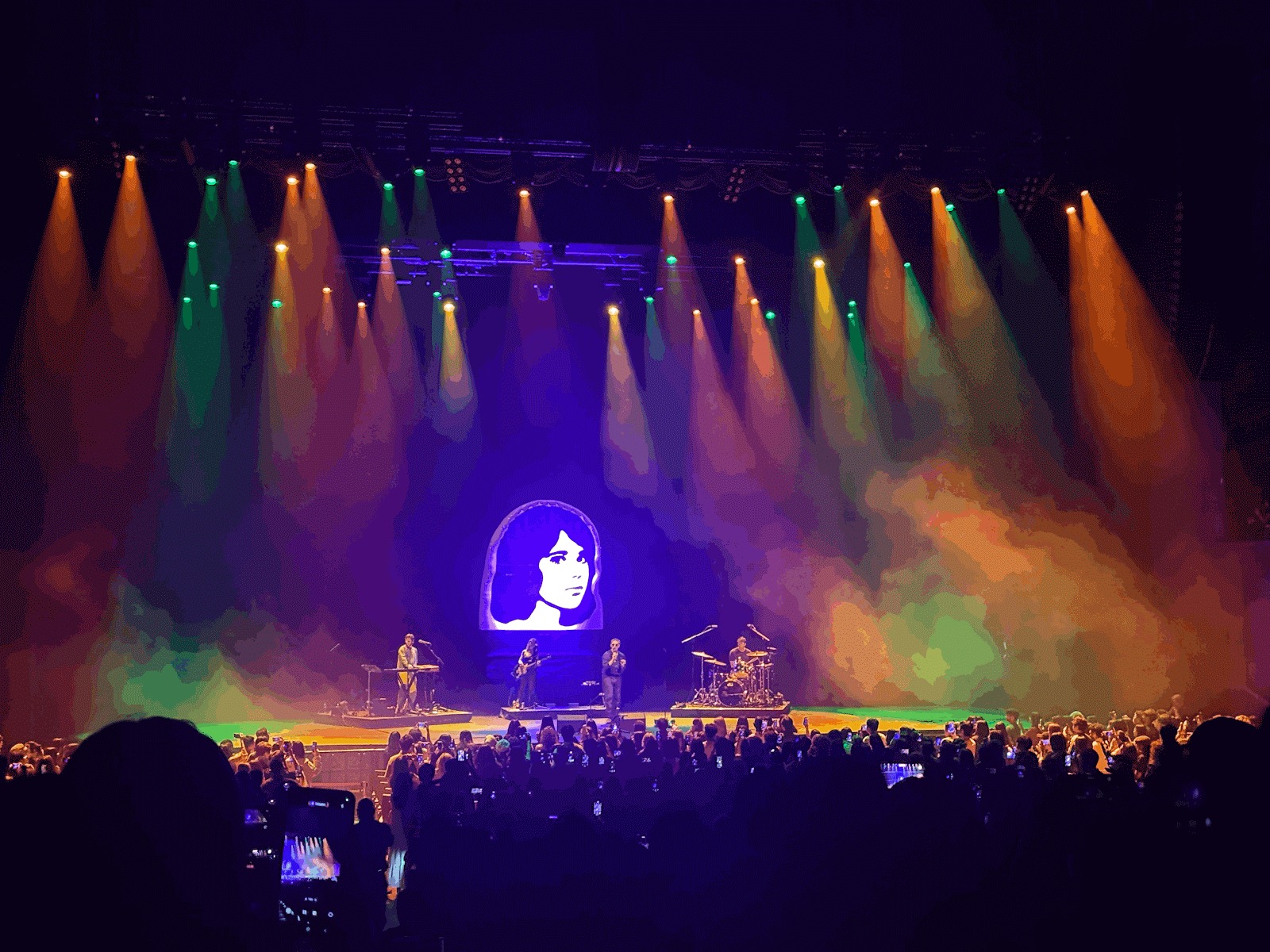
They say that there’s nothing like listening to a band’s music live, and I strongly concur. Along with the radiant atmosphere of the blaring soundtracks, lead vocalist Brad Petering showcased his experience and humour in the form of quirky speeches in between songs. The live vocals and percussion blended well in the moment, and of course, the audience was fully immersed.
On a side note, the keyboardist going crazy on the melody really sent me.
Final thoughts
And it’s a wrap! That’s all I have to say about the Indie Genre. In the span of this article, we’ve covered its features, including the nature of songs under the genre as well as the reality of lesser known indie artists. Before I end this article, I’d like to leave you with something of my own—a nice indie playlist for anyone curious about the genre.
Indie music is slowly being picked up and recognised among Singaporeans, which is such a huge relief for the once niche community. It has been, and will always be, one of the greatest things you can come by. If you’re looking towards spicing up your holidays, I’d definitely recommend giving indie songs a listen.
Finally, the aforementioned playlist:


TV GIRL CONCERT MENTIONED