By Kavya Thirunavukkarasan (25S03I)
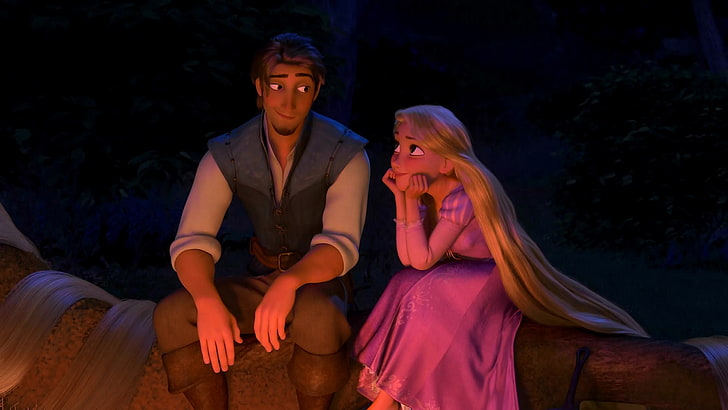
Sitting on a couch in the centre of my living room, four-year-old me was awestruck by the Disney film Tangled. It was a pivotal moment in my young life: magic flower, magic hair, magic powers.
That was the start of it all. Toy Story, Cinderella, Finding Nemo, Ratatouille, Sleeping Beauty—the list goes on. It was truly incredible when the shoe fit Cinderella, when Ariel reunited with Prince Eric, and when Prince Philip kissed Princess Aurora to break the curse. They all lived happily ever after.
Until they didn’t. The magic seemed to fade, perhaps because the pixie dust wore off, or maybe because I was no longer the four-year-old kid sitting on that couch in the centre of my living room. The wonder of a new world in Toy Story, the breathtaking underwater scenes in Finding Nemo, and the unforgettable taste of dreams in Ratatouille—they don’t evoke the same feelings now.
Disney doesn’t feel the same anymore.
So, what changed? And whose fault is it? Mine? Or Disney’s?

Looking Into a Kaleidoscope
When we were kids, Disney movies were the doorway to enchanting worlds. They were portals to utopias where good always triumphs over evil and dreams inevitably come true. When you think of Disney films, vibrant and colourful animation and catchy soundtracks come to mind almost immediately.
Disney movies weren’t just a source of entertainment; they were the puzzle pieces that completed our childhood. They shaped our perceptions of love and bravery and laid the foundation for our fantasies.
But as we grew older, our perspectives shifted, and our viewpoints changed. The very films that once captivated us now seem different, almost distant.
As we grow older, we learn that life isn’t always black and white. We begin to see the grey areas—the goodness within evil, the beauty within flaws. We come to understand the complexity of relationships and the layers of human emotions.
Disney movies, with their often clear-cut distinction between good and evil, can sometimes seem superficial. The straightforward resolutions, like a simple kiss breaking a 100-year-long curse, now feel too idealistic.

As we journey through education, careers, and relationships, our priorities change. We start to connect more with characters and stories that reflect the realities and challenges we face now. A movie that once felt magical might now seem trivial compared to the complexities of life. For example, the adventurous spirit of Woody in Toy Story once thrilled me, but now it seems less poignant compared to the complexities of navigating real-world friendships and careers. The simple joys of our childhood are now overshadowed by the demands and responsibilities of our grown-up lives.
It’s like looking through a kaleidoscope. We have grown older, and times have changed, just like how the pattern shifts with the rotation of the tube. We might still be gazing at the same objects inside the tube, but our view is altered by the reflecting surfaces, transforming familiar shapes into new forms with every turn.
However, it is not entirely our fault. It is not because I grew older and do not see the magic anymore; It is because the magic simply doesn’t exist in the newer Disney movies. It is Disney’s fault.
The Changing Face of Disney
As the years pass and times change, we find ourselves growing and evolving. Likewise, Disney evolved together with us, drastically I would say, in the past two decades. Back then, Disney’s classic films were standalones, each one a unique, self-contained story that left a lasting impression.
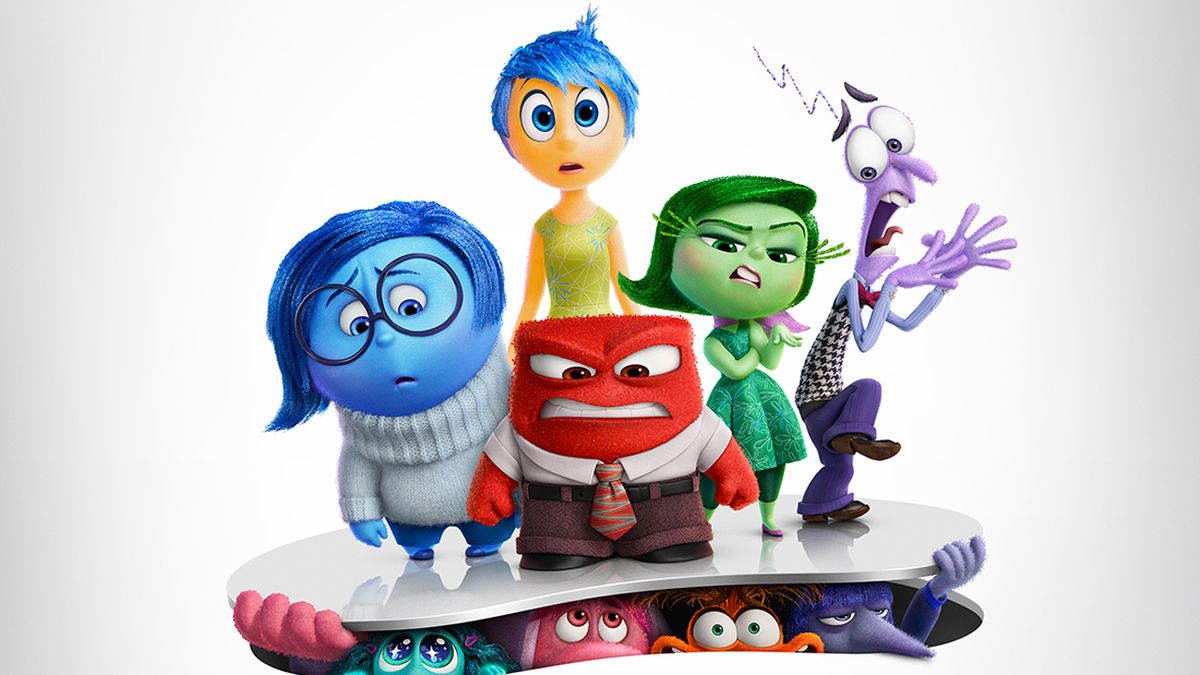
However, the modern entertainment industry has shifted towards franchises, sequels, and spin-offs. With the release of Inside Out 2 this week, after almost a decade since the first movie came out, it is apparent that Disney is following suit in the trend.
While these films expand the cinematic universe, it also leads to a sense of repetition, diminishing the uniqueness of each film. The over-commercialisation of Disney movies makes the stories feel more like products than magical experiences.

Source: https://cdn.mos.cms.futurecdn.net/kNK5n9r72kMyG9CFEU6z7C-1200-80.jpg
Let’s talk about Disney’s Wish that came out last year, 2023. While Wish carries the promise of magic and adventure, it also faces the challenge of living up to the legacy of Disney’s century-long storytelling heritage.
The film aimed to blend the nostalgic charm of classic Disney animations with modern innovations but fell short of delivering the usual “magic” that Disney movies are known for. It just felt like a familiar tale retold, lacking the distinctive spark that has made so many Disney films timeless classics.

A New Kind of Magic
Yet it’s not entirely Disney’s fault, nor is it solely ours for growing up. The world has changed, and so have our expectations and realities. While the magic may feel different now, this shift is a testament to our evolving tastes and the changing prospects of storytelling.
Ultimately, the enchantment of Disney isn’t gone—it has transformed. The magic we felt as children may be tinged with nostalgia now, but it’s also a reminder of the power of storytelling to grow and change with us. As we continue to navigate our lives, there’s still room for wonder, even if it looks a bit different than it did on that couch in the centre of my living room.